
BIOCLIMATIC LATTICE COLLECTION
"A modular ecosystem designed to breathe, sheltering both light and biodiversity"
Architectural heritage and bioclimatic performance
Historically, architectural lattices served a dual purpose: acting as elegant partitions to define spaces while allowing natural light to permeate. Beyond this spatial function, these structures have always provided crucial bioclimatic benefits to Mediterranean dwellings. By permitting cool breezes to circulate freely, promoting essential cross ventilation, while blocking the harsh glare of direct sunlight, they generate a refreshing cooling interior shade.
Developed in collaboration with Damián López from Leblume, this collection for todobarro reimagines these traditional screens as a sophisticated modular system. It is an innovative design where various ceramic components interlock seamlessly to create living walls that respond to contemporary environmental and aesthetic needs.
PROJECT DETAILS
A modular grid for living architectures
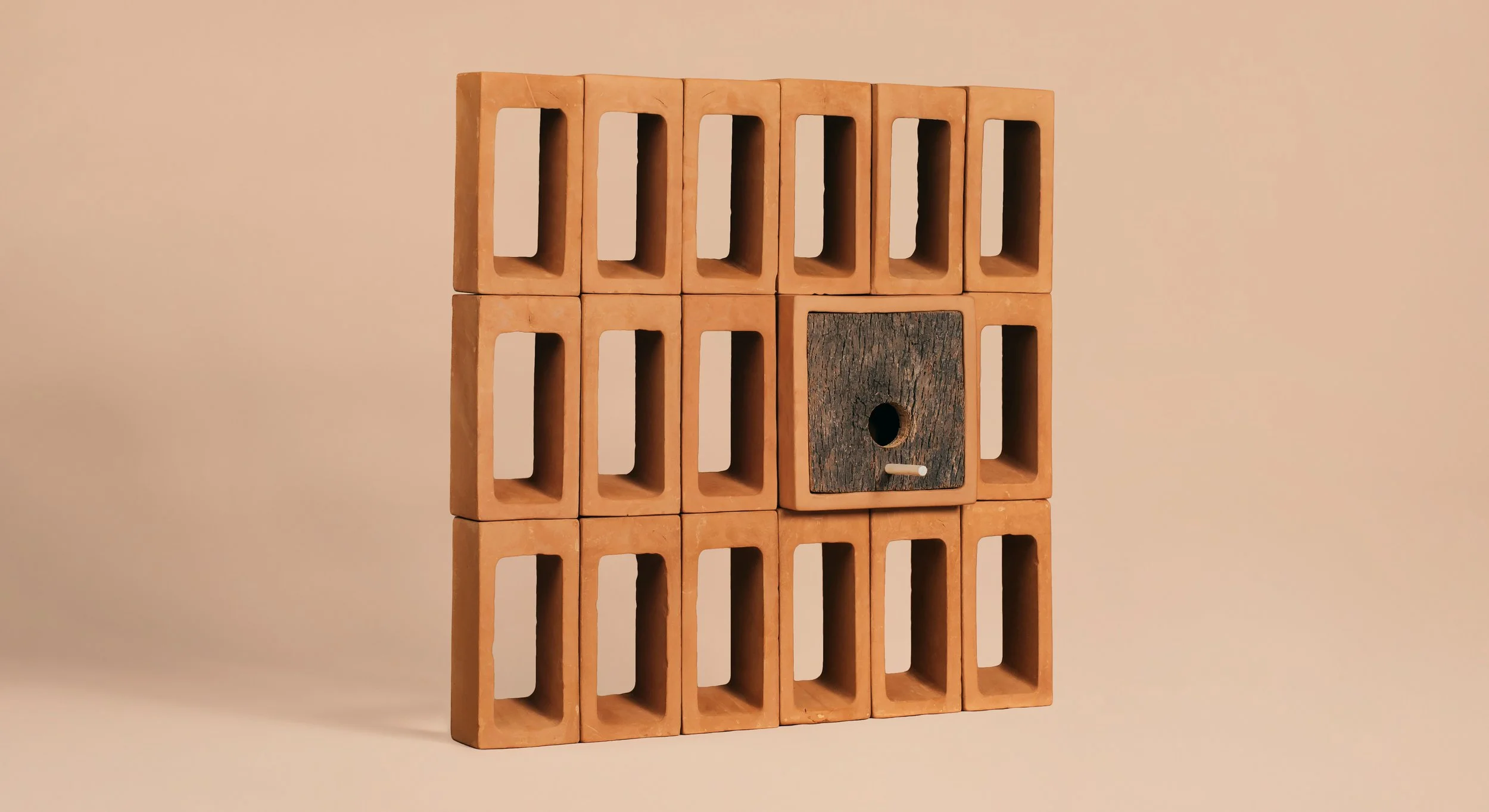
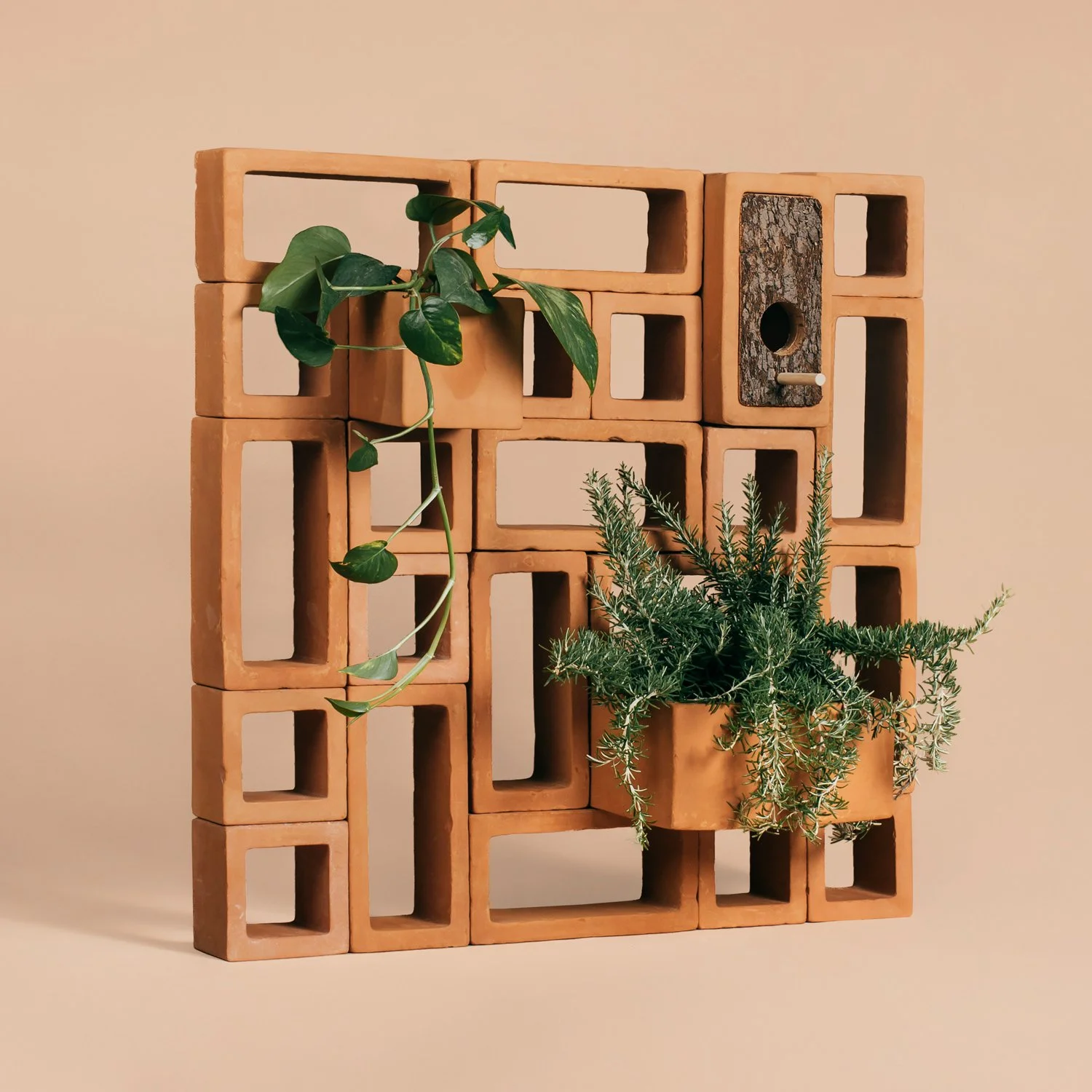
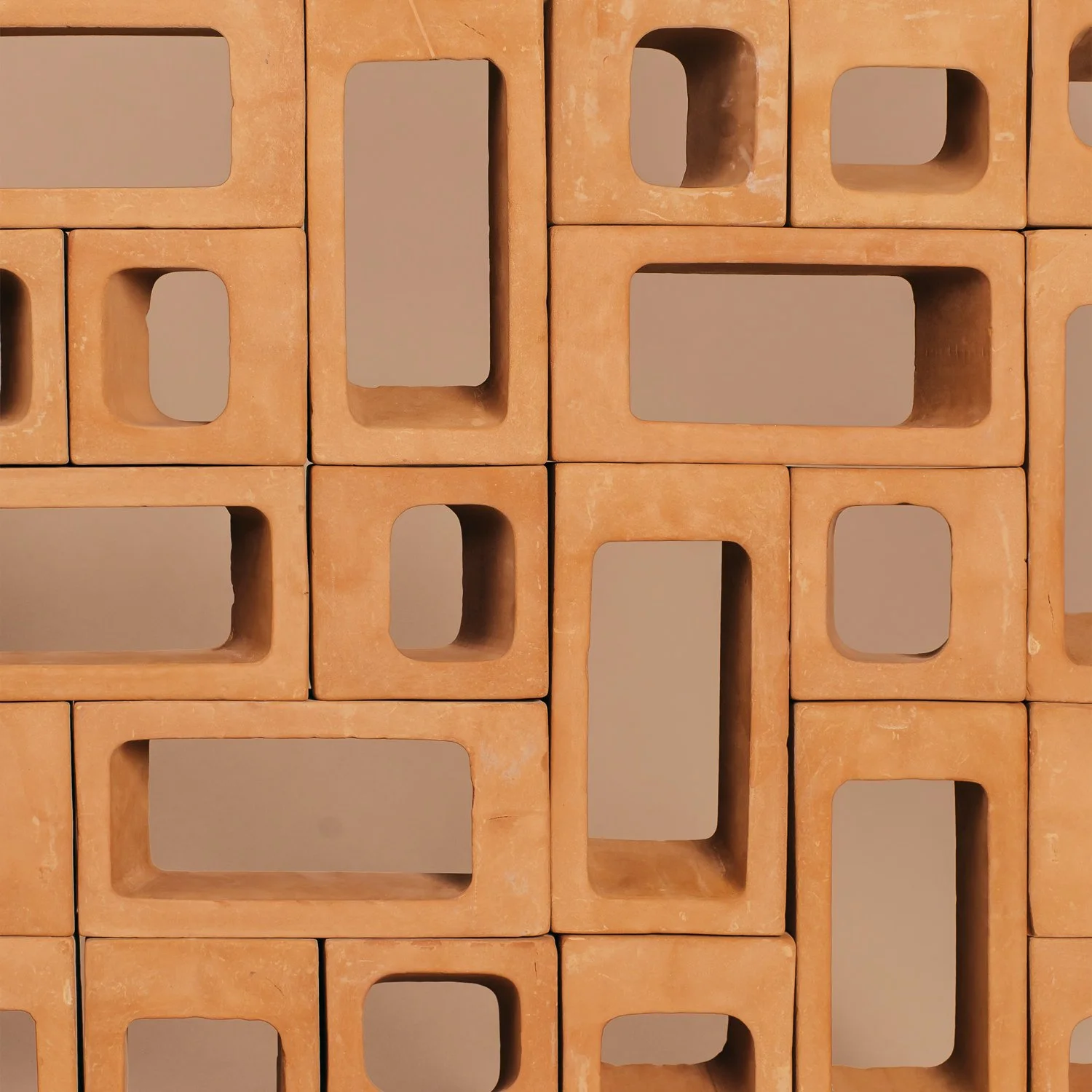
The core of the collection is a versatile modular system where every piece fits into a precise 12 centimeter grid. This mathematical harmony makes all formats and accessories within the catalog compatible with each other, offering architects and designers total creative freedom. The modularity allows for the creation of custom compositions tailored to specific projects, whether they require structured geometric rhythms or fluid organic walls. Furthermore, the system is designed for longevity and versatility; any module can be independently removed or replaced, allowing the architectural screen to adapt to new requirements or to incorporate different functional accessories over time.
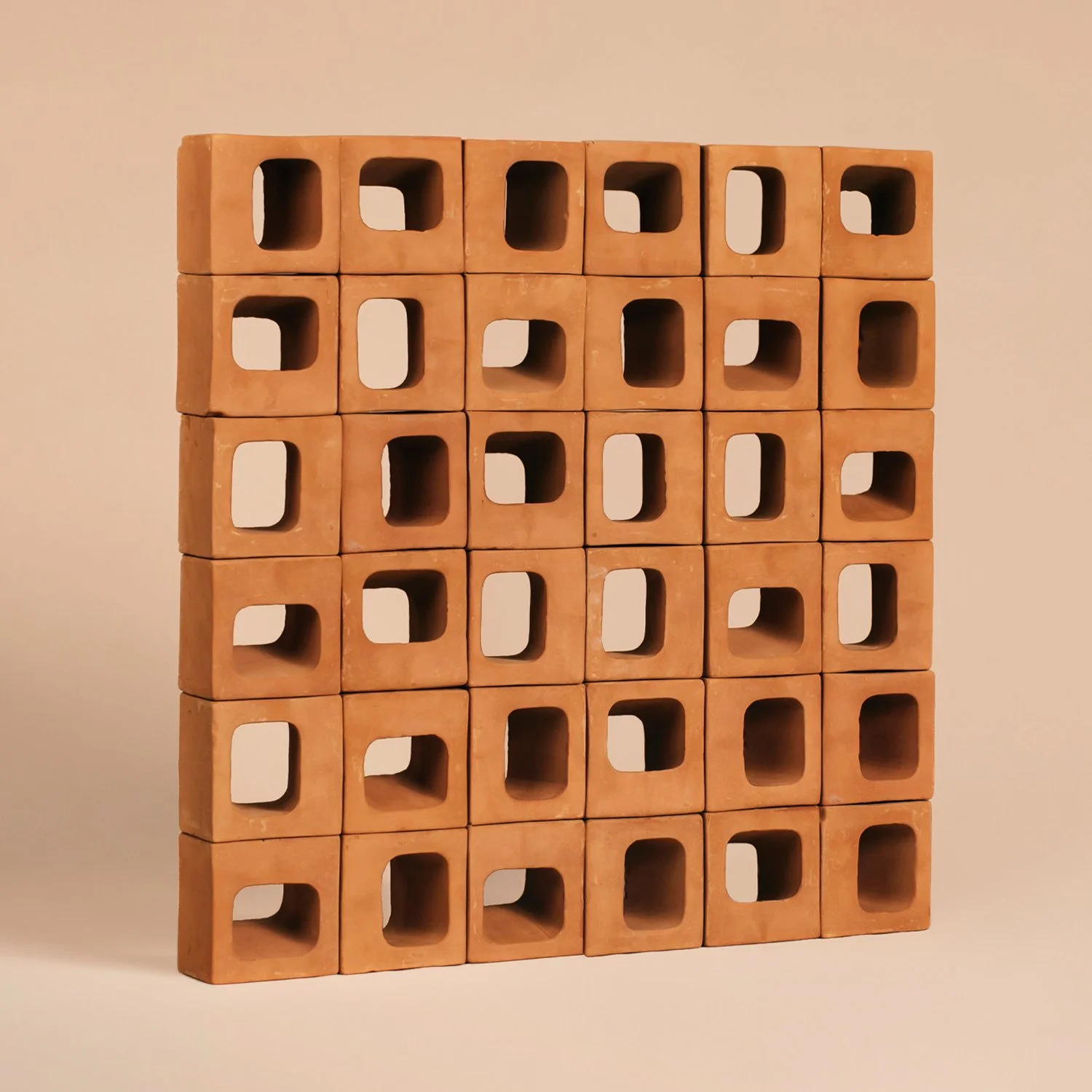
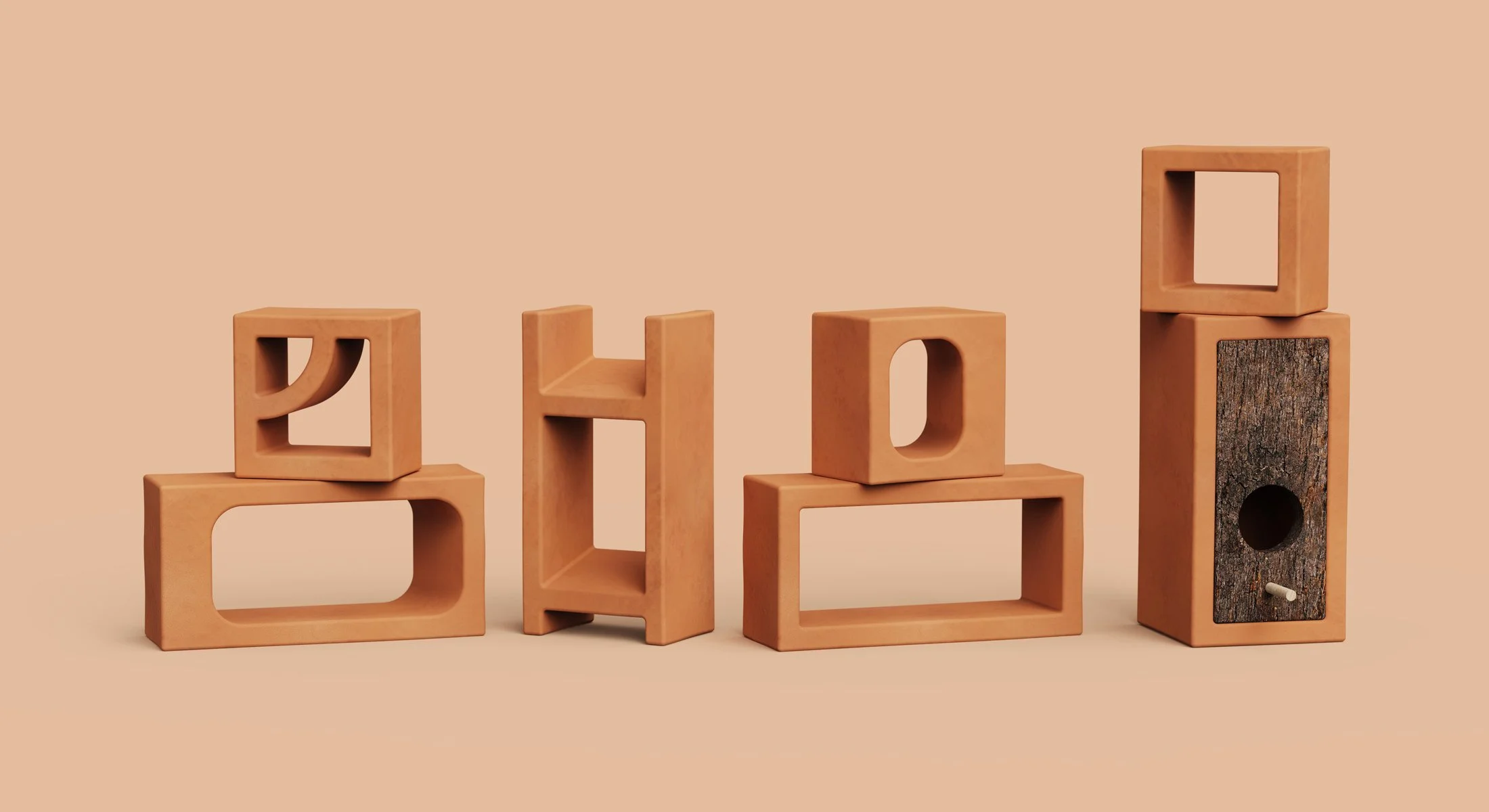
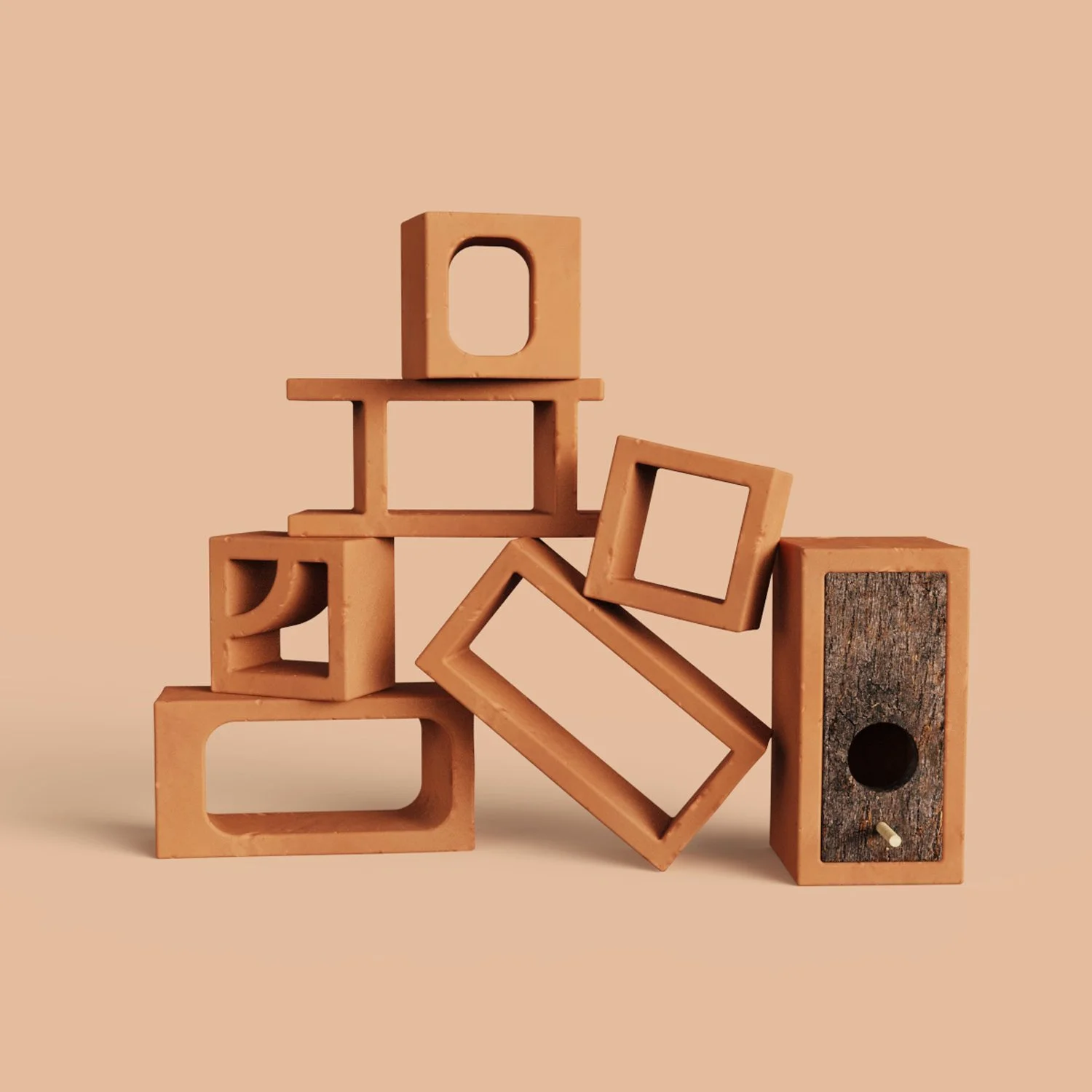
Four design lines for a versatile modular system
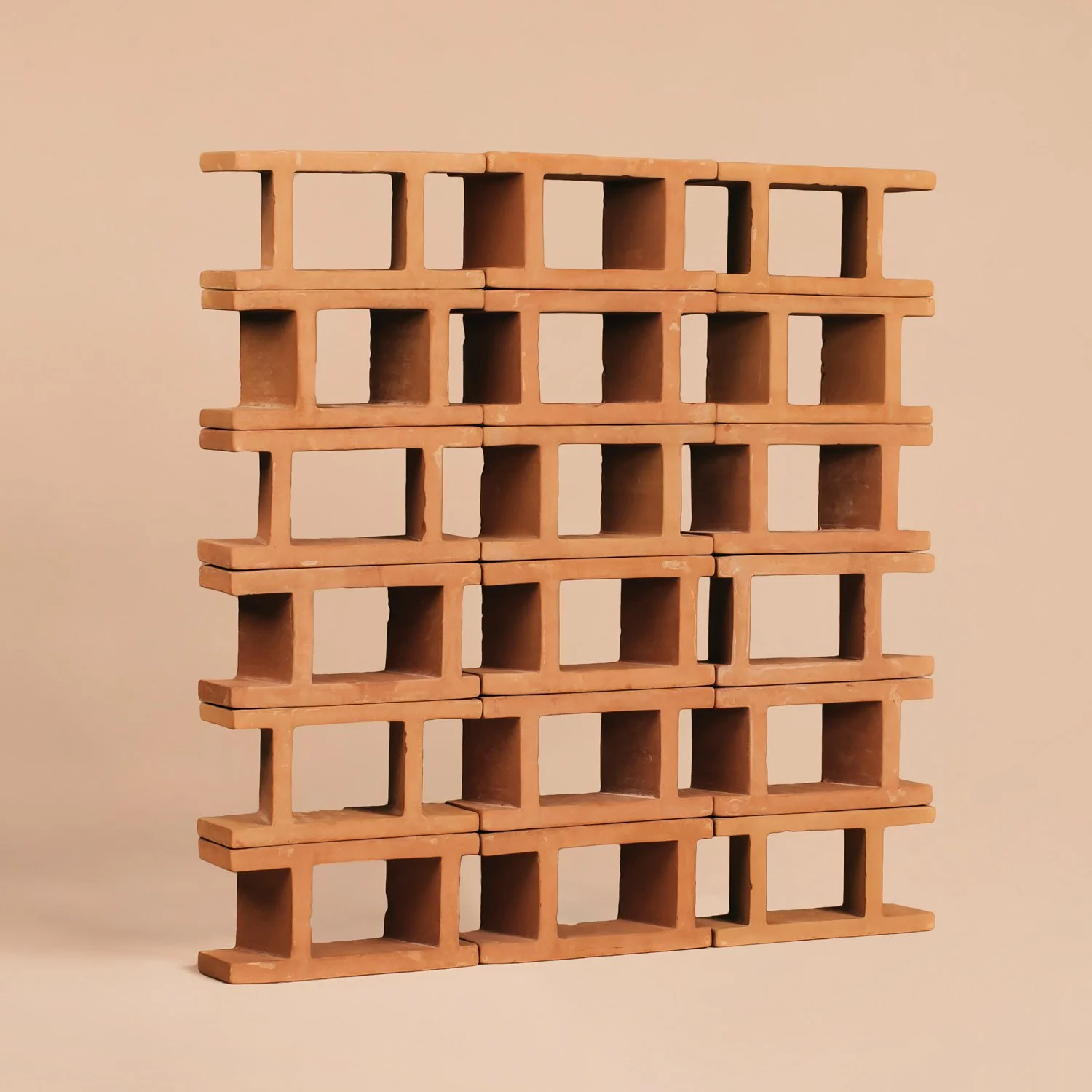
Málaga. This collection is the essential foundation of the entire system. Available in both 12x12 and 24x12 formats, it allows for the creation of customized grids and rhythms that adapt perfectly to the specific scale of each architectural project.
Ronda. Featuring an innovative oblique opening, Ronda creates shifting rhythms and visually dynamic walls. This unique geometry produces playful effects with visibility and shade that change depending on the viewer's point of view.
Vélez. Inspired by the handcrafted heritage of the Axarquía region and the iconic semicircular arch, Vélez allows for organic patterns. Through the strategic arrangement and rotation of each piece, fluid compositions emerge from a single structural element.
Casares. This piece plays with a pronounced inclination of its inner walls. This feature allows for versatile placement, guiding the view within a space and creating specific openings that encourage natural airflow and ventilation.
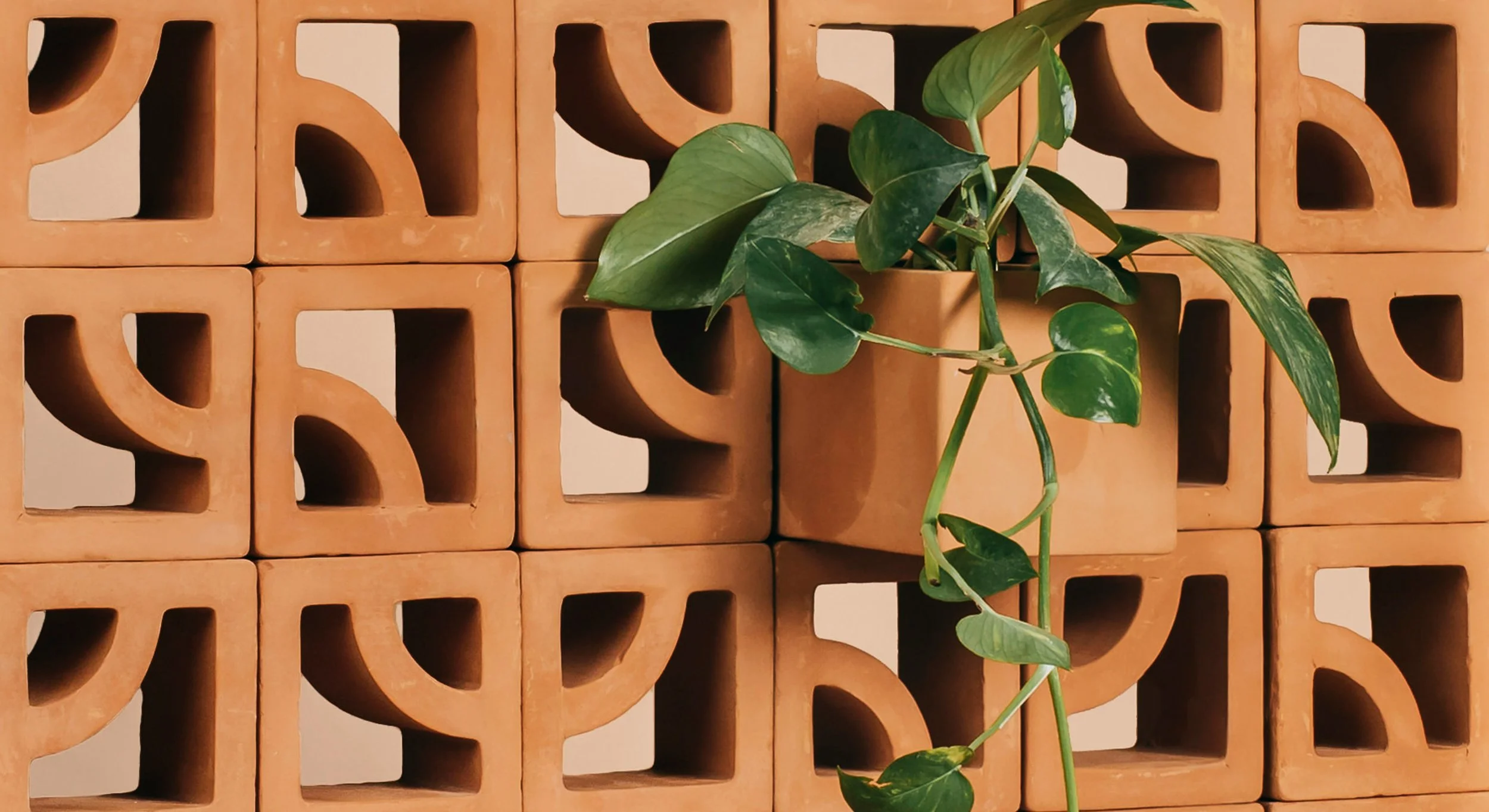
Aesthetic versatility and rhythmic compositions
The collection offers a wide aesthetic spectrum that ranges from essential geometric minimalism to fluid organic expressions. While the Málaga line provides a clean and structured foundation, models like Vélez and Ronda introduce dynamic shadows and sculptural depth. This variety allows architects to play with light and opacity, creating unique patterns that transform static walls into rhythmic architectural skins. Because every design line follows the same mathematical modularity, designers can blend different models seamlessly, ensuring that even the most complex and diverse compositions maintain a sense of quiet harmony and structural logic.
Thermal inertia and the integration of living ecosystems
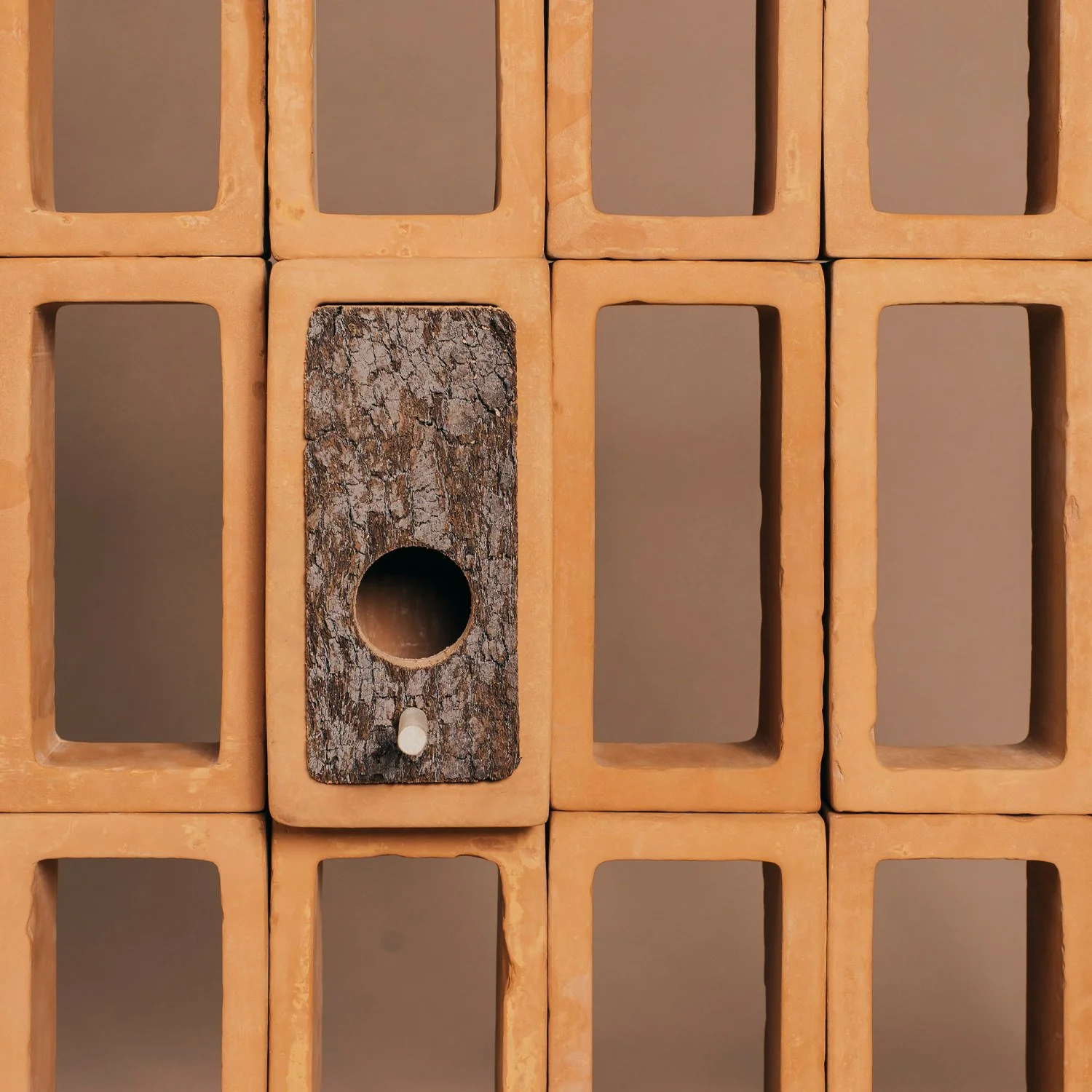
Every element in this system is designed for traditional terracotta production using local clays. This natural material significantly boosts thermal comfort due to its high thermal inertia and porosity, which helps regulate humidity and temperature naturally. More than a static partition, the collection is conceived as a living ecosystem. By integrating specific planter modules, the lattice incorporates vegetation that further cools the air through evapotranspiration. This synergy is completed with the inclusion of birdhouses, which foster local biodiversity and introduce a natural soundtrack to the space. The result is a sustainable architectural solution where terracotta, plants, and natural life converge to benefit both the inhabitants and the environment.