Art Direction and Creative Direction for Product Design
Alongside product design, we also work on art direction and creative direction projects for companies, brands and design manufacturers.
If product design defines what an object is, art direction plays a key role in how that object is presented and perceived. In a context where much of today's communication takes place through images, the way a product is presented can be just as important as its design.
We see art direction as a way to build a coherent visual narrative around a product, a collection or a brand. It provides context for objects and helps communicate what makes them distinctive.
Art Direction
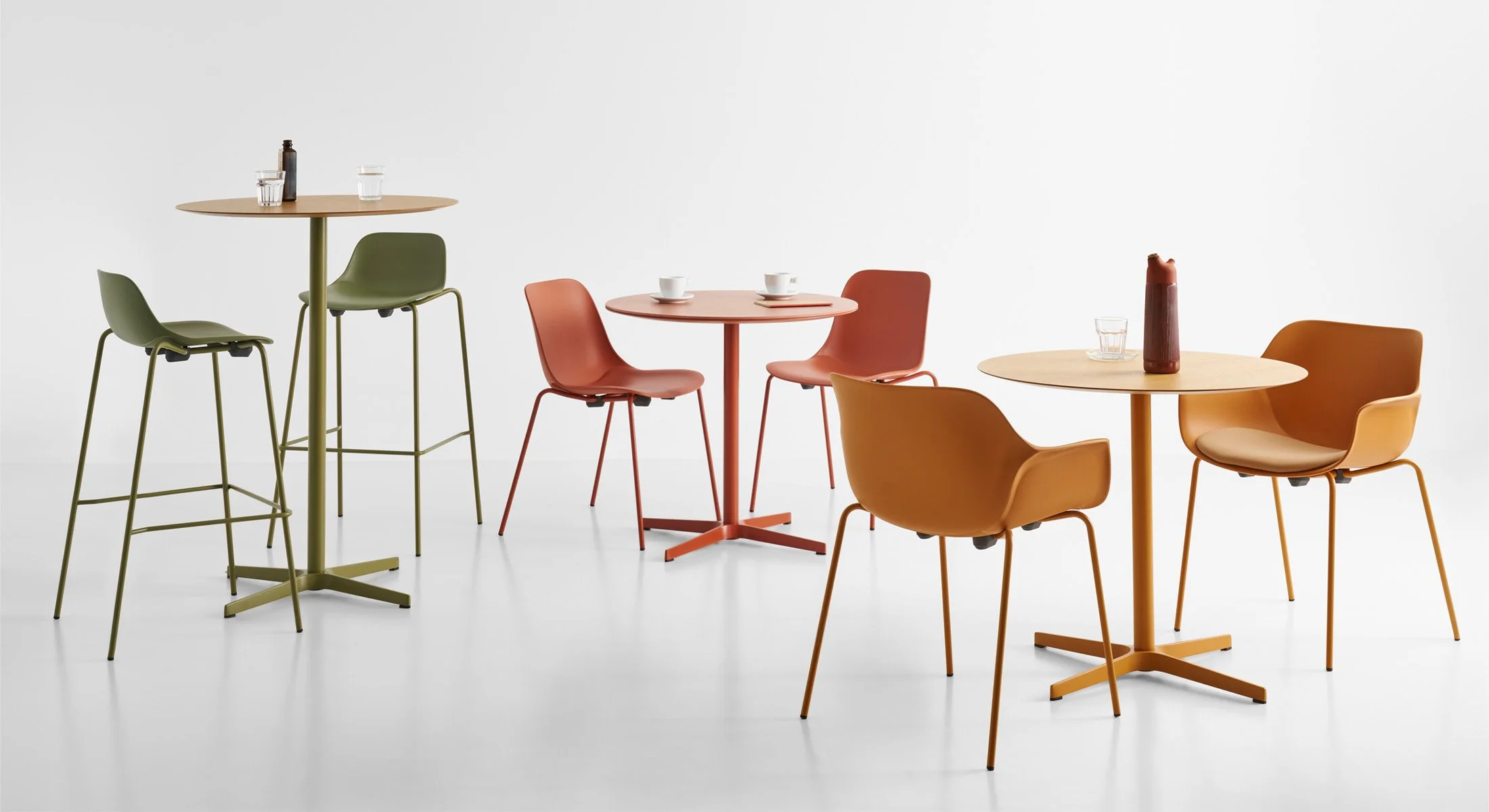
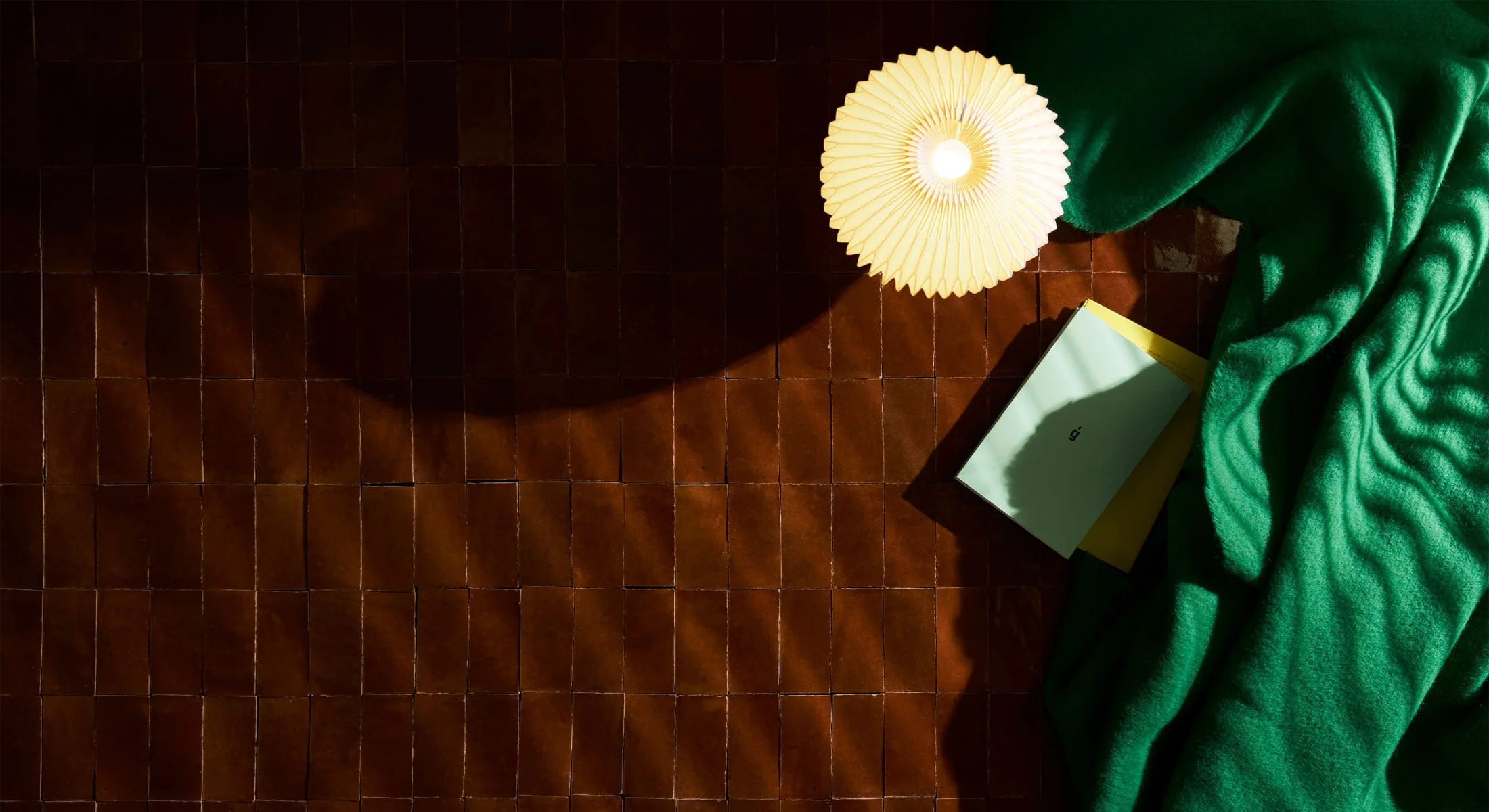
For us, art direction is about defining how a product or collection is presented visually. It goes beyond creating attractive images. It involves translating an idea into concrete visual decisions: how the object is shown, the atmosphere surrounding it, and the relationship between the product, the space and the light.
Art direction helps build a visual narrative that gives context to a product and communicates its character, materials and intended use.
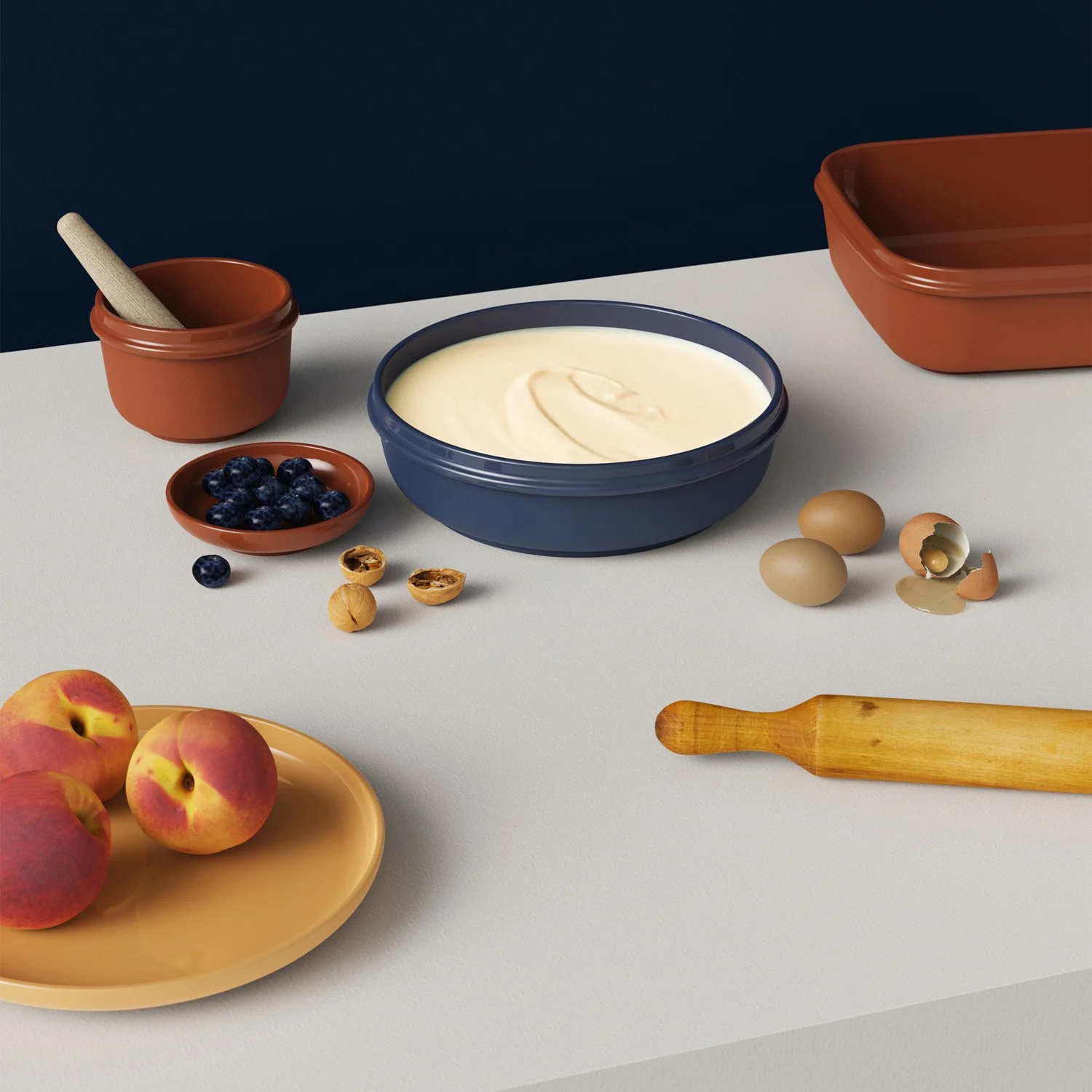
In many cases, this work takes shape through photography, video or visualisations that are later used in catalogues, campaigns and other communication materials.
Over the years, we have worked on art direction projects for companies such as EsPattio, Forma5, Todobarro and Auno.
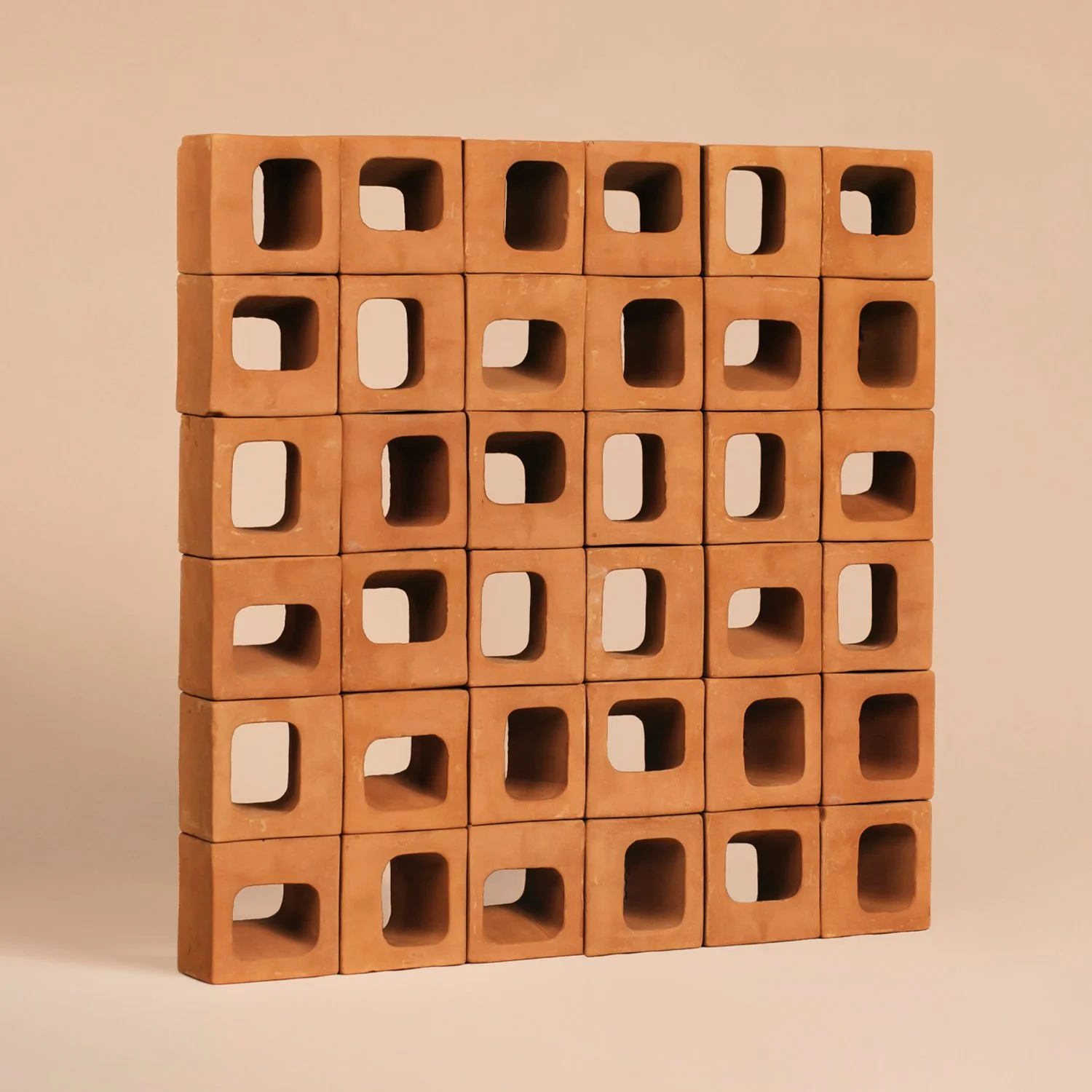
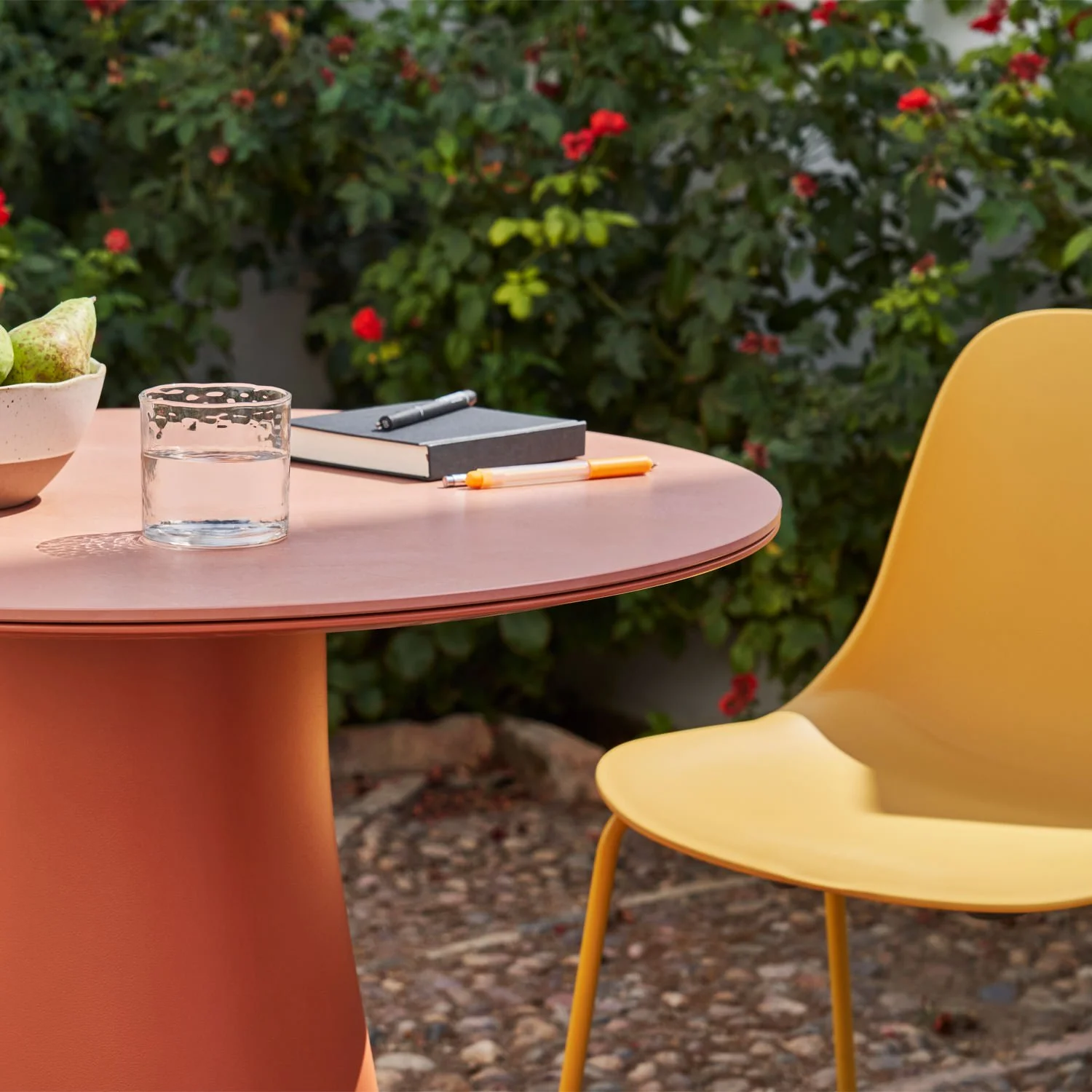
Visual Storytelling
Every product has a story to tell.
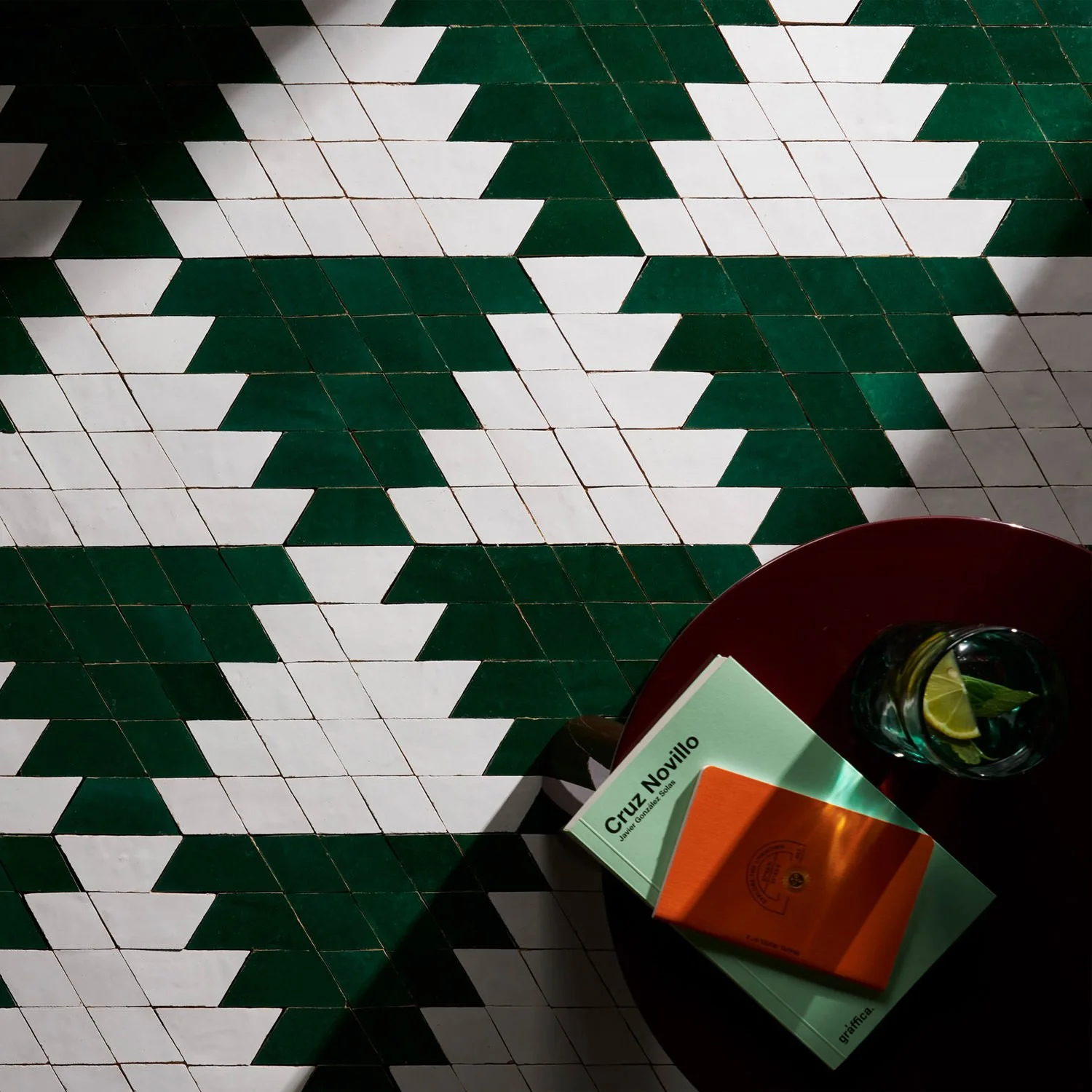
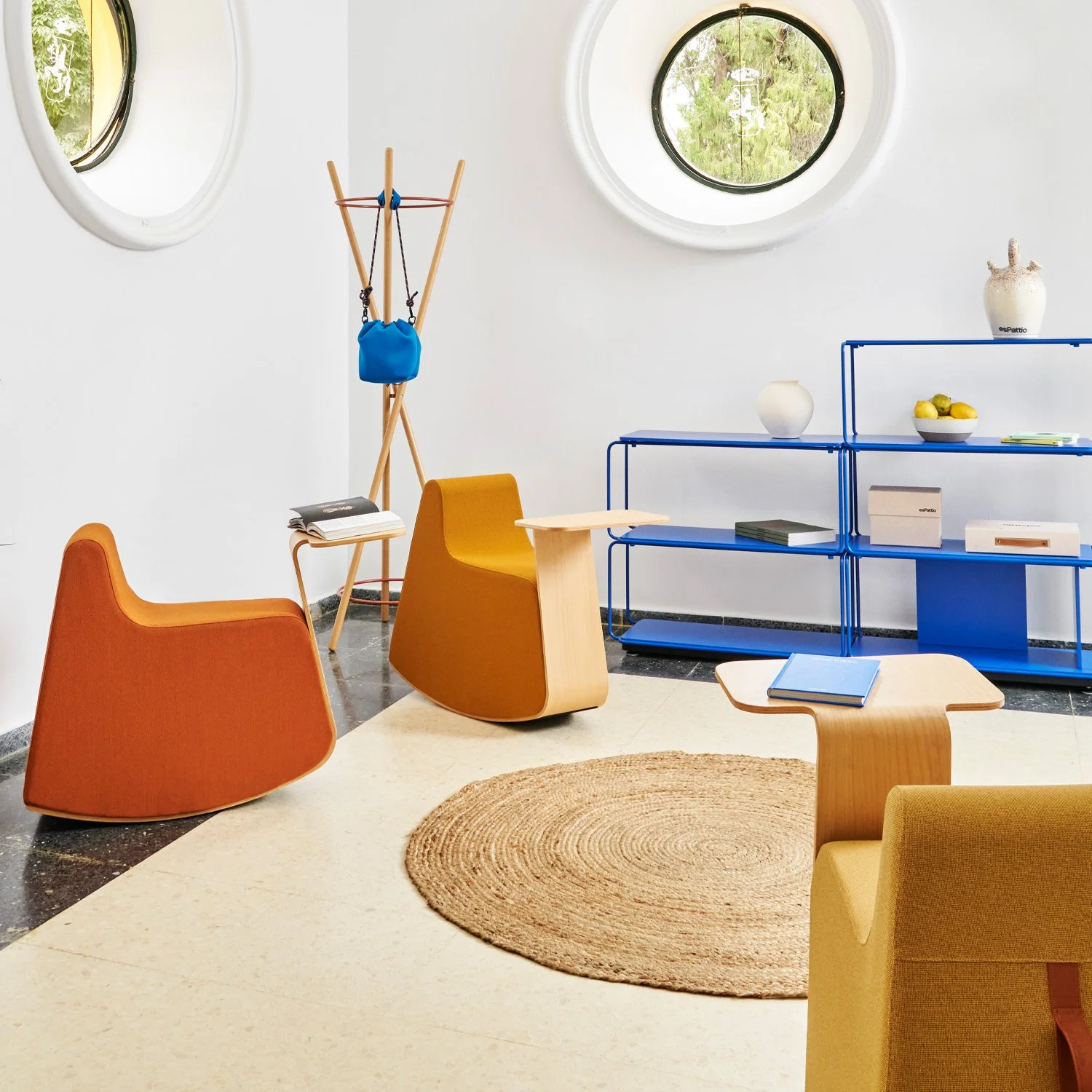
In many projects, art direction is about finding the right visual narrative to communicate the character of a product or collection. Sometimes this narrative is built around the space, while in other cases it emerges from the materials, light or movement.
The aim is not simply to show the product, but to create images that communicate its identity and context. Good art direction can help people better understand the character of an object, its materials and the atmosphere surrounding it.
Art Direction for product design
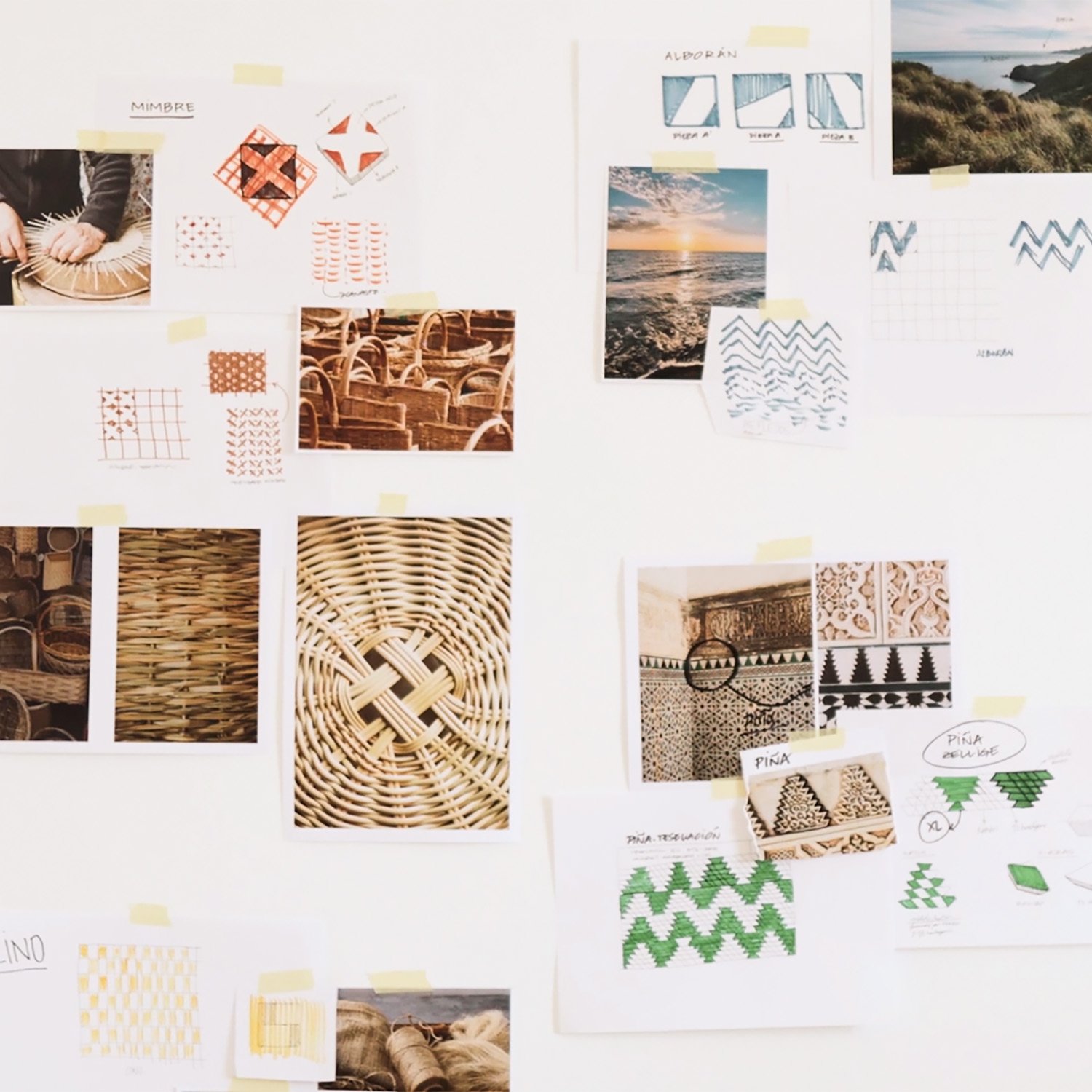
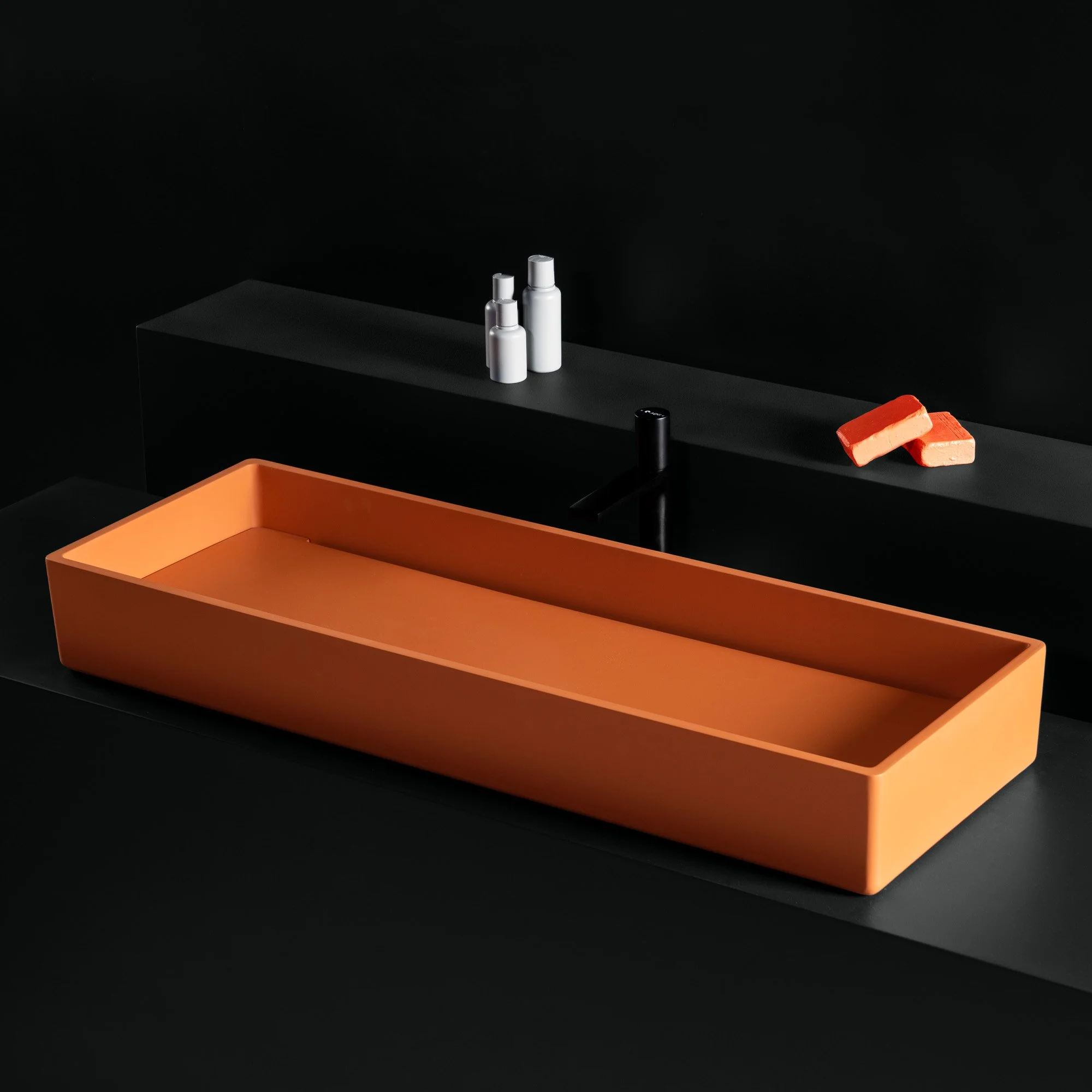
A significant part of our art direction work is focused on presenting products and design collections.
In these projects, art direction is closely connected to the product design process itself. Understanding a product from its earliest design stages allows us to build a more precise visual narrative that remains true to its identity.
This relationship between design and visual communication offers a more complete approach, where the way a product is presented becomes part of the overall design process.
How we approach an Art Direction Project
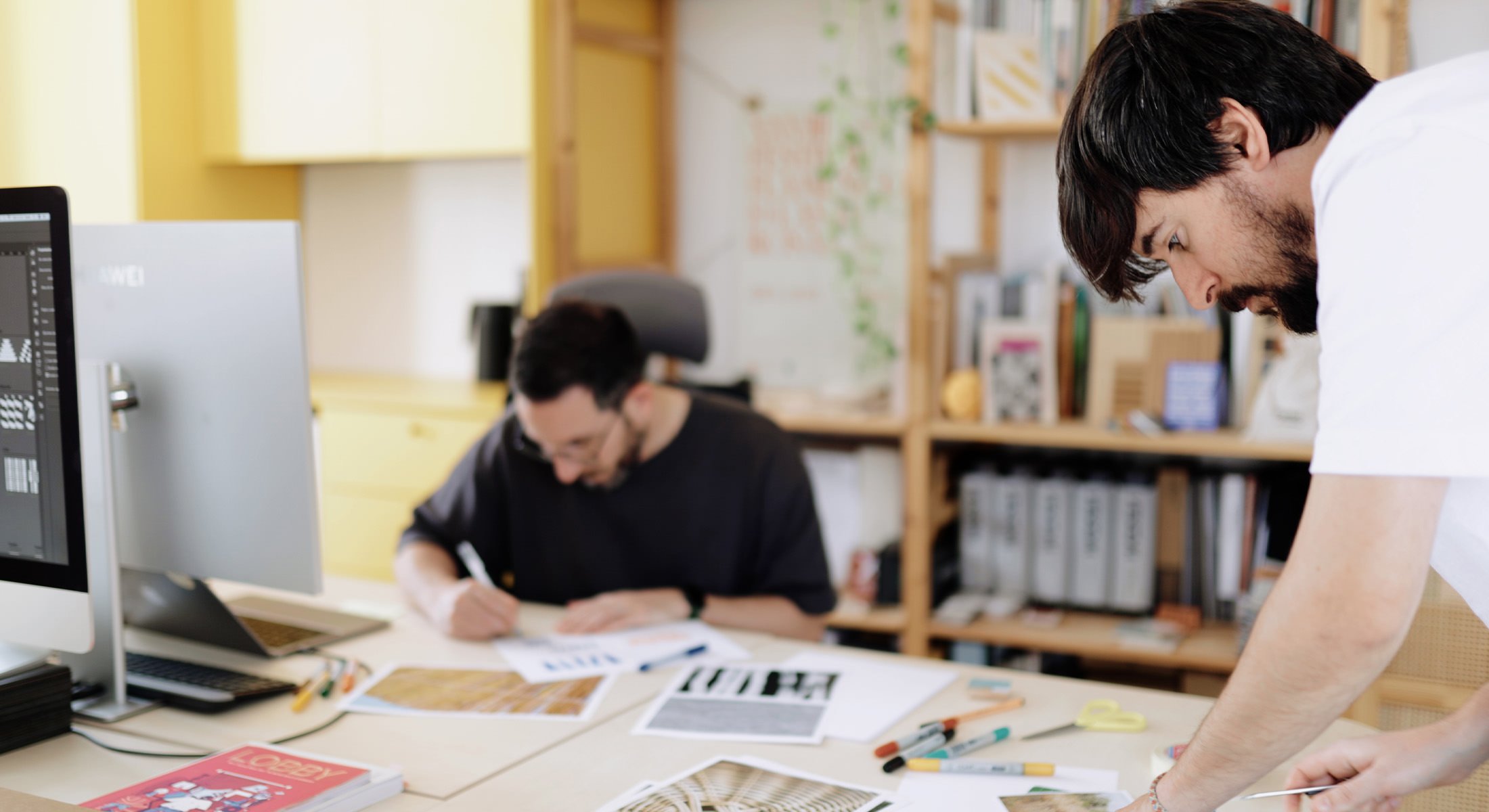
Every art direction project begins with an initial analysis phase in which we seek to understand the product, the brand's context and its communication goals.
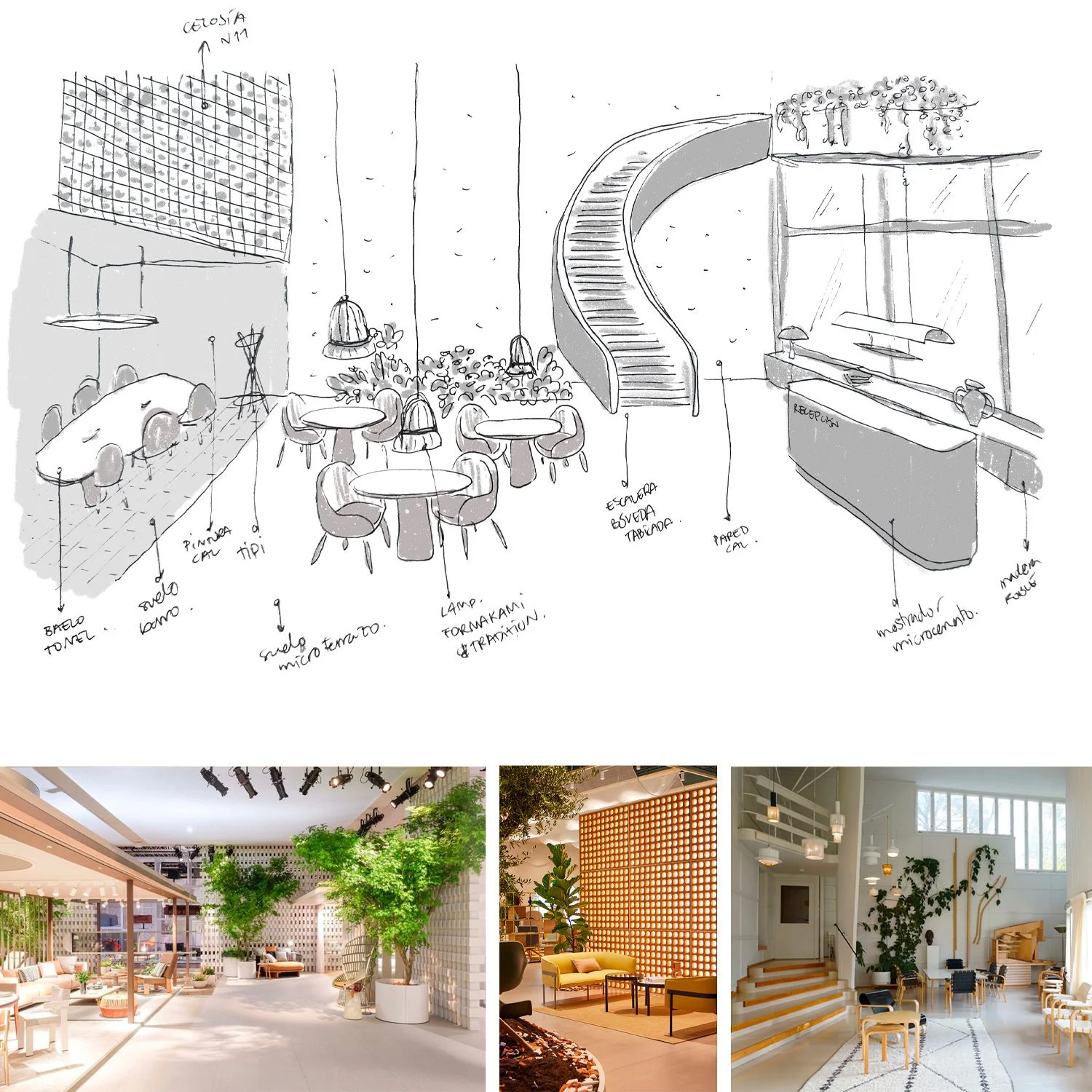
From there, we put together a visual proposal that establishes the tone and overall direction of the project. This stage usually includes visual references, scene concepts and an initial plan for the images and audiovisual content to be produced.
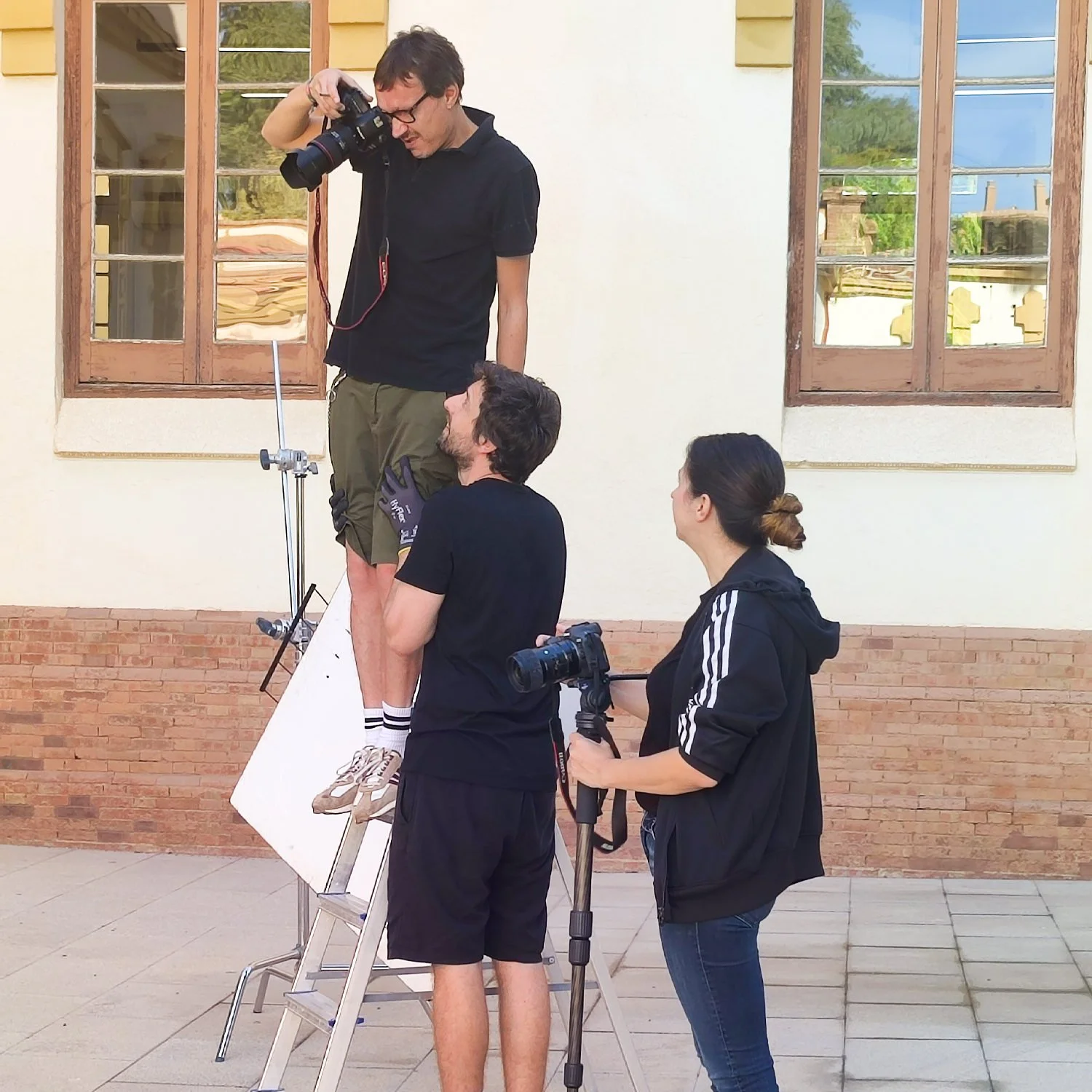
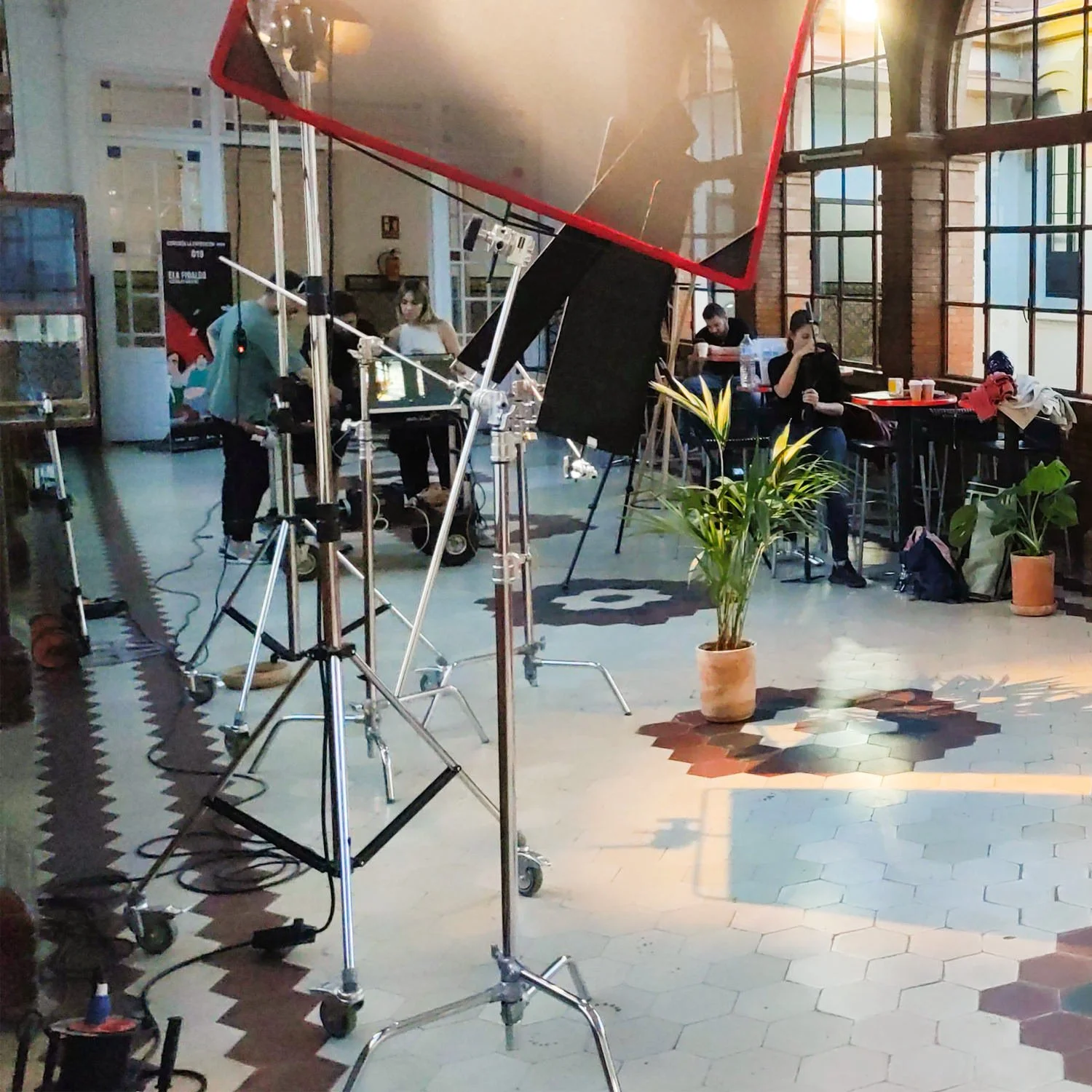
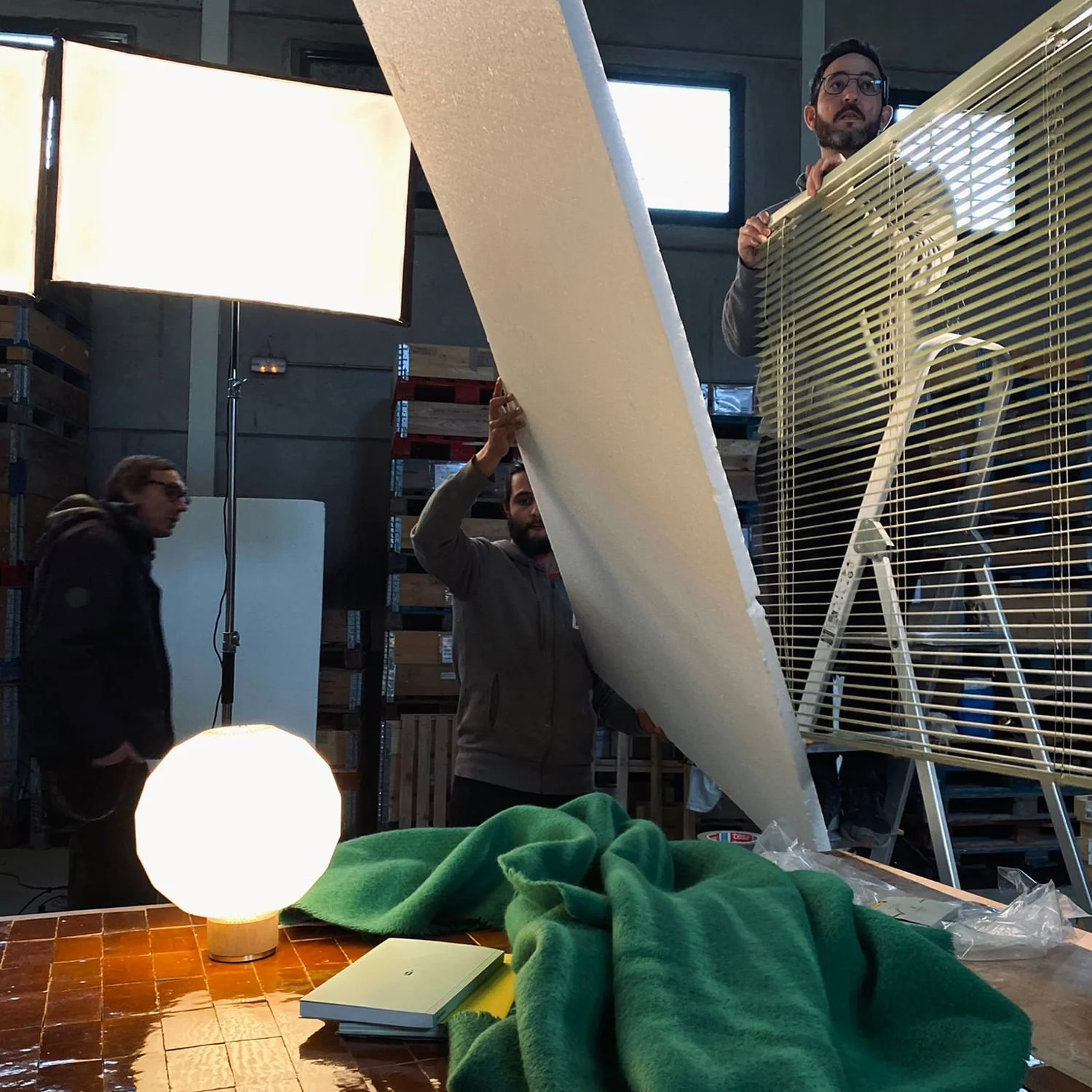
Once the visual direction has been established, we organise the production of the required material. Depending on the project, this may include photoshoots, video production or CGI rendering.
Throughout the process, we oversee the development of the different elements to ensure that the final result remains consistent with the original concept.
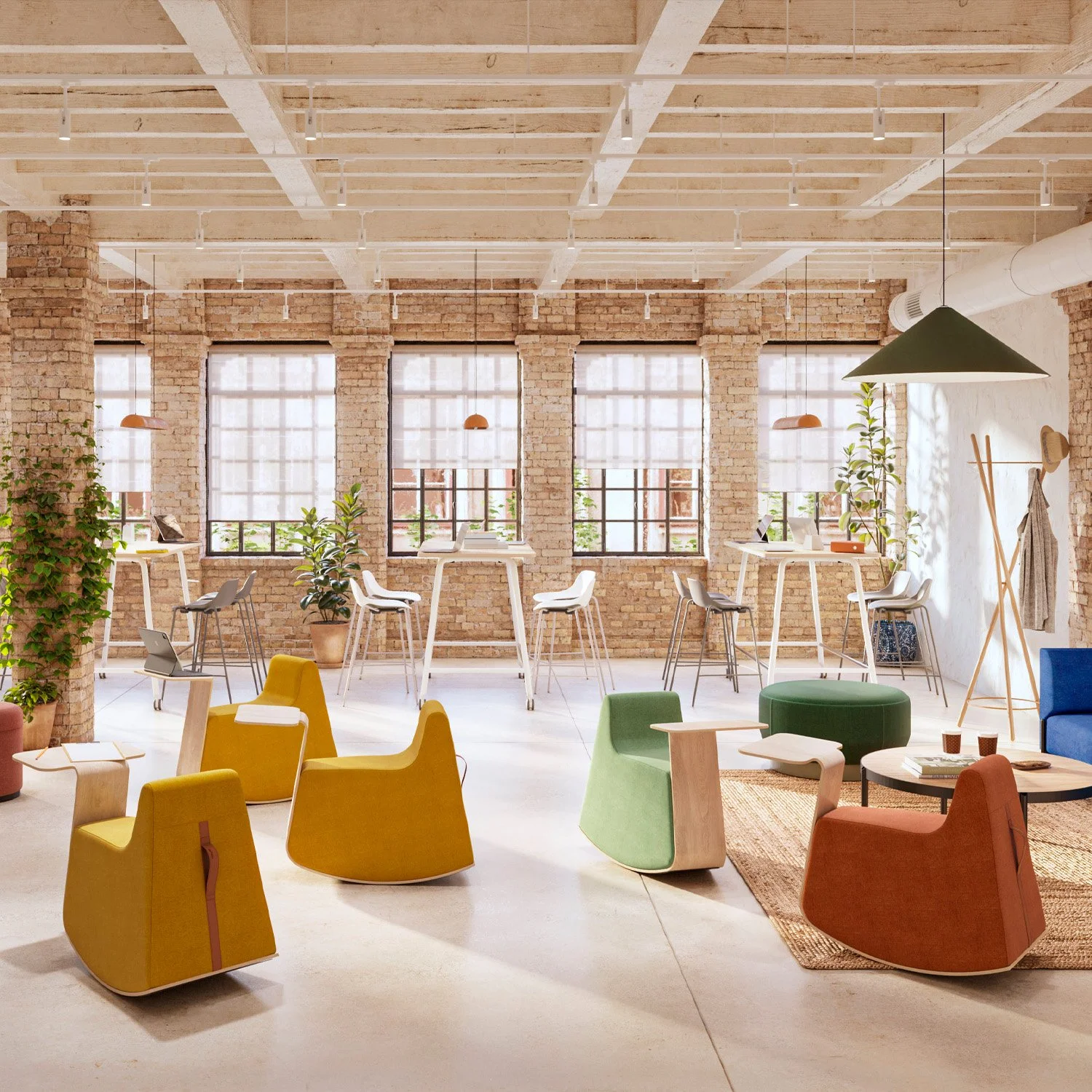
CGI Rendering and 3D Visualisation
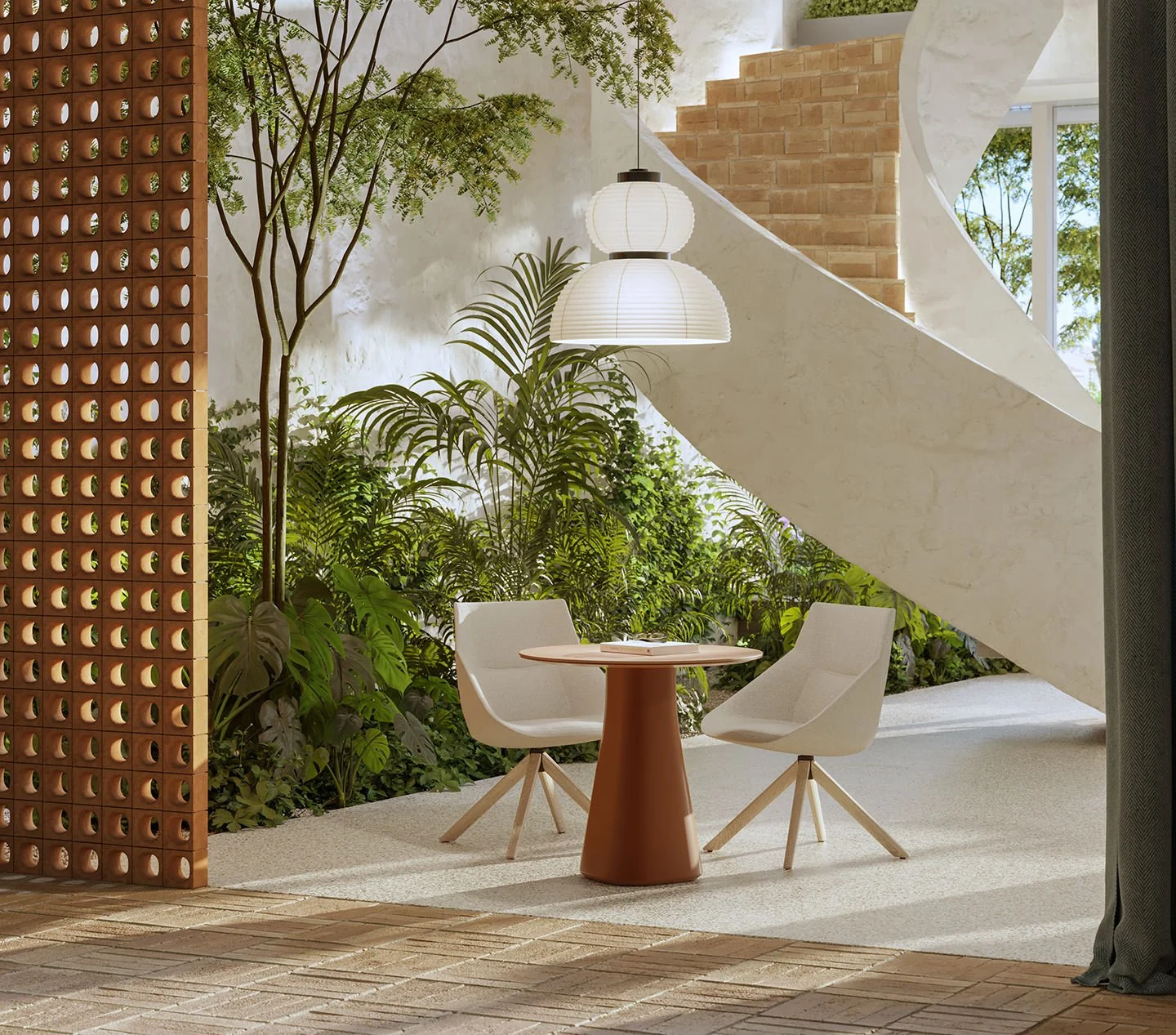
In some projects, CGI rendering and computer-generated imagery can be particularly useful tools.
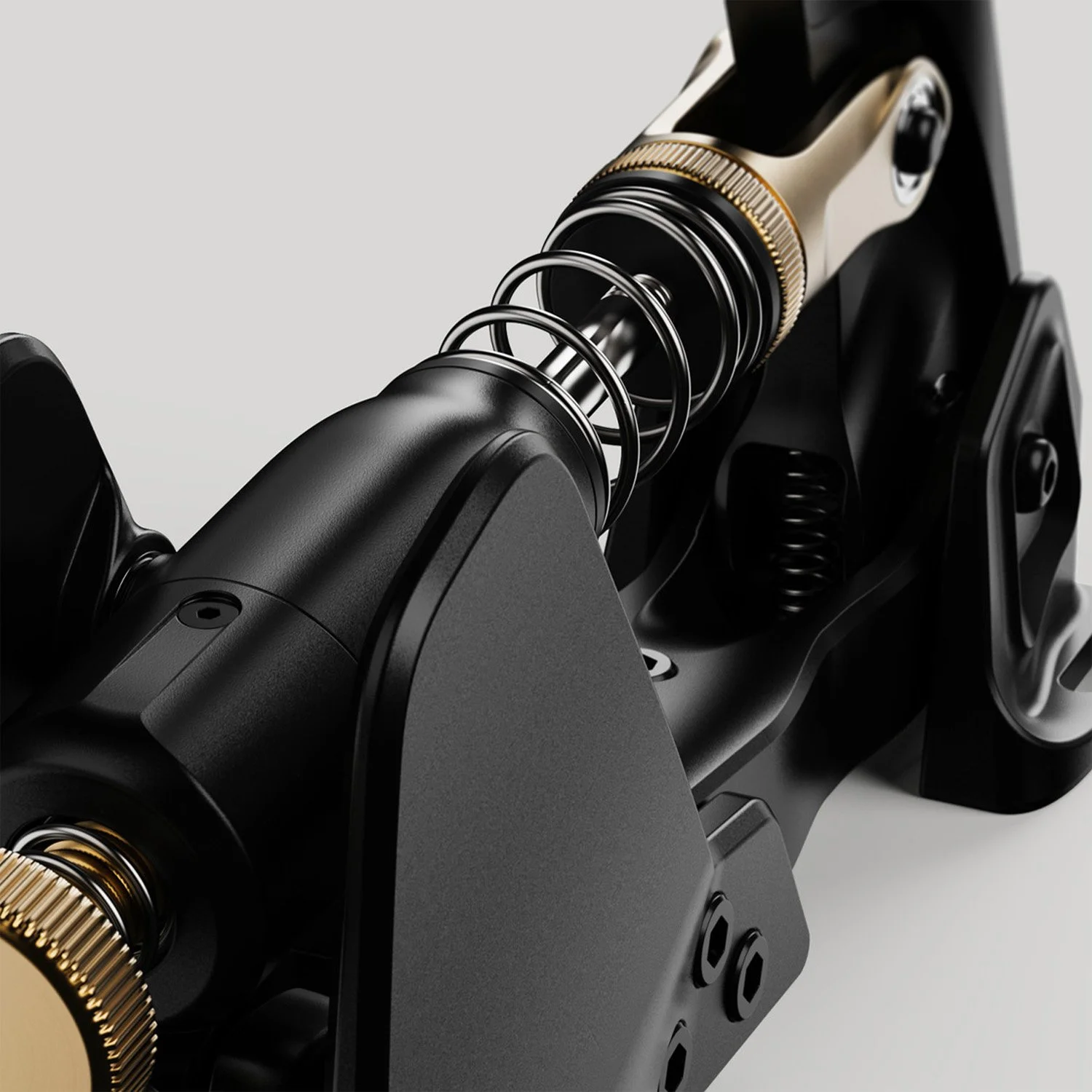
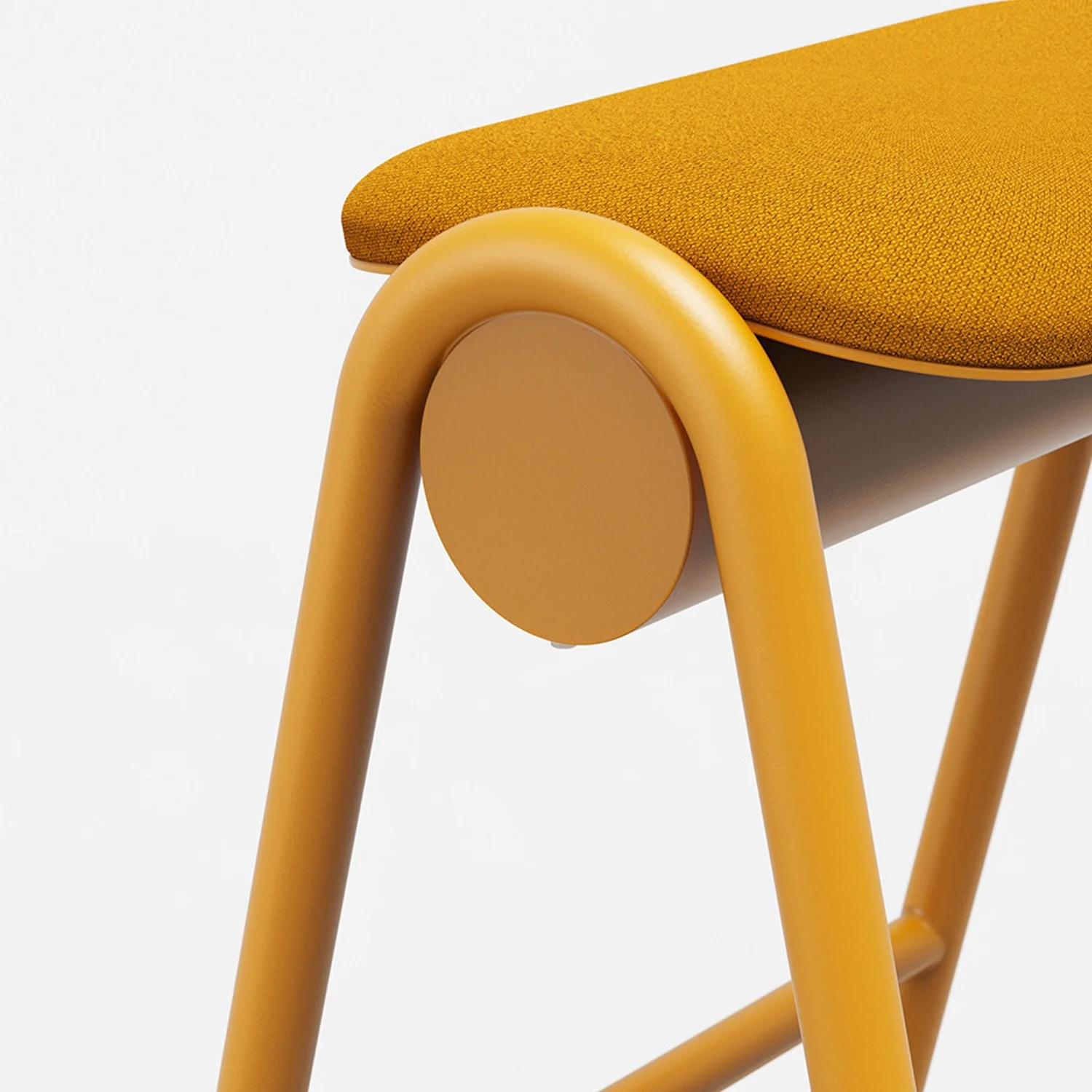
These images make it possible to present a product with great precision before it physically exists, or to create scenes that would be difficult to produce through photography. They also allow us to explore different materials, colours and configurations of the same product.
In these cases, we work from the artistic direction of the images through to the creation of the renders themselves, collaborating with 3D artists to produce visualisations that communicate the character of each product.
Teamwork and collaborations
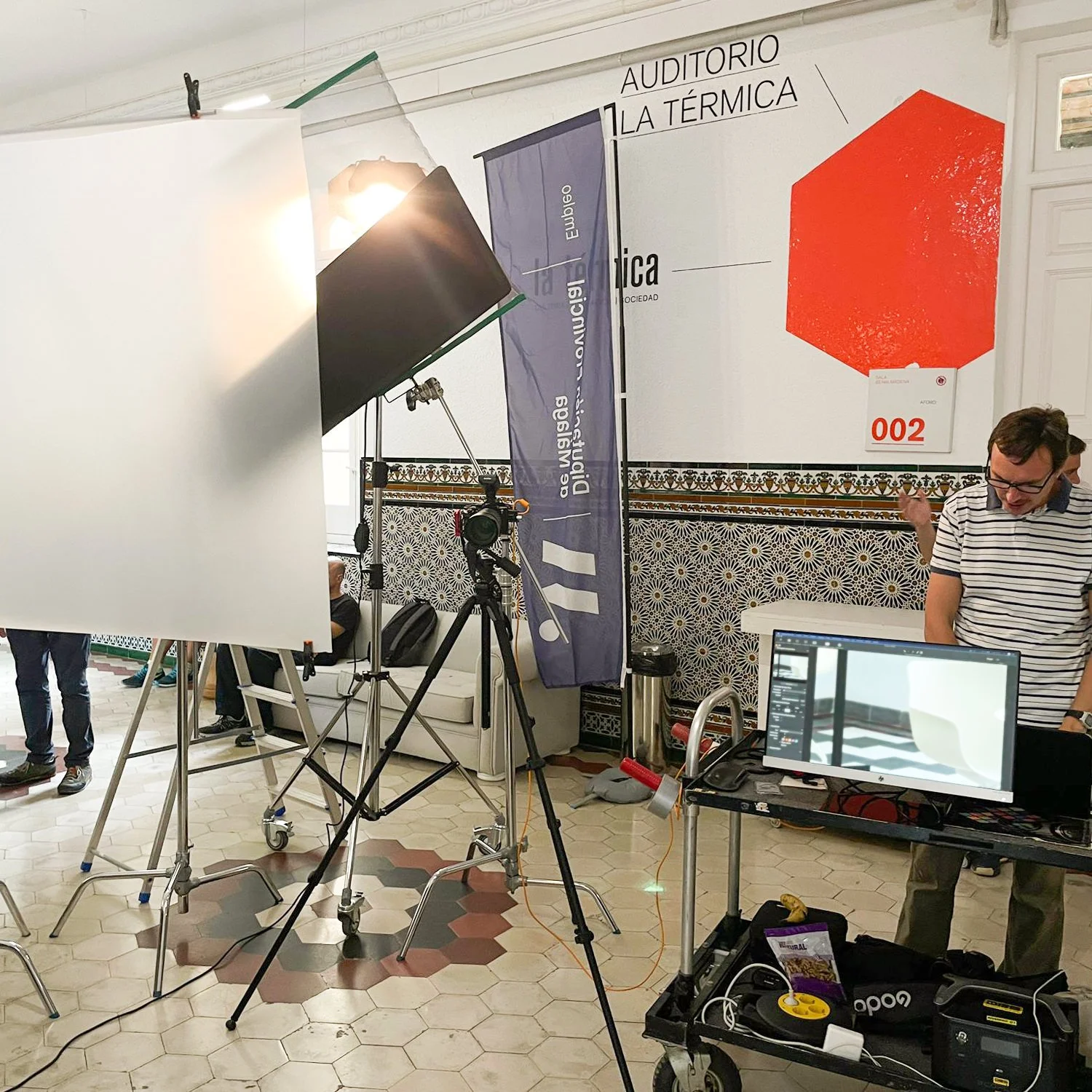
Art direction projects are usually developed in collaboration with professionals from different fields.
Depending on the needs of each project, this may involve photographers, videographers, 3D artists, stylists, lighting technicians or models. An important part of our work is coordinating these teams and guiding the creative process so that every decision contributes to the same overall vision.
This collaborative approach is a natural part of art direction and allows us to bring together different perspectives and disciplines.
Creative direction
Creative direction is a more strategic process, developed over the medium and long term in close collaboration with the companies we work with.
This involves analysing a brand's positioning, identifying opportunities within the market and defining possible directions for future development.
We usually work closely with a company's management and marketing teams, helping to establish a coherent vision for the development of new products, collections and launches.
Rather than focusing on individual actions, creative direction aims to guide the evolution of a brand over time, helping it build a recognisable and consistent identity.
Strategy and development
In some projects, creative direction also involves taking part in defining new collections and product lines.
This may include identifying product categories to explore, considering new approaches to a collection or planning future launches.
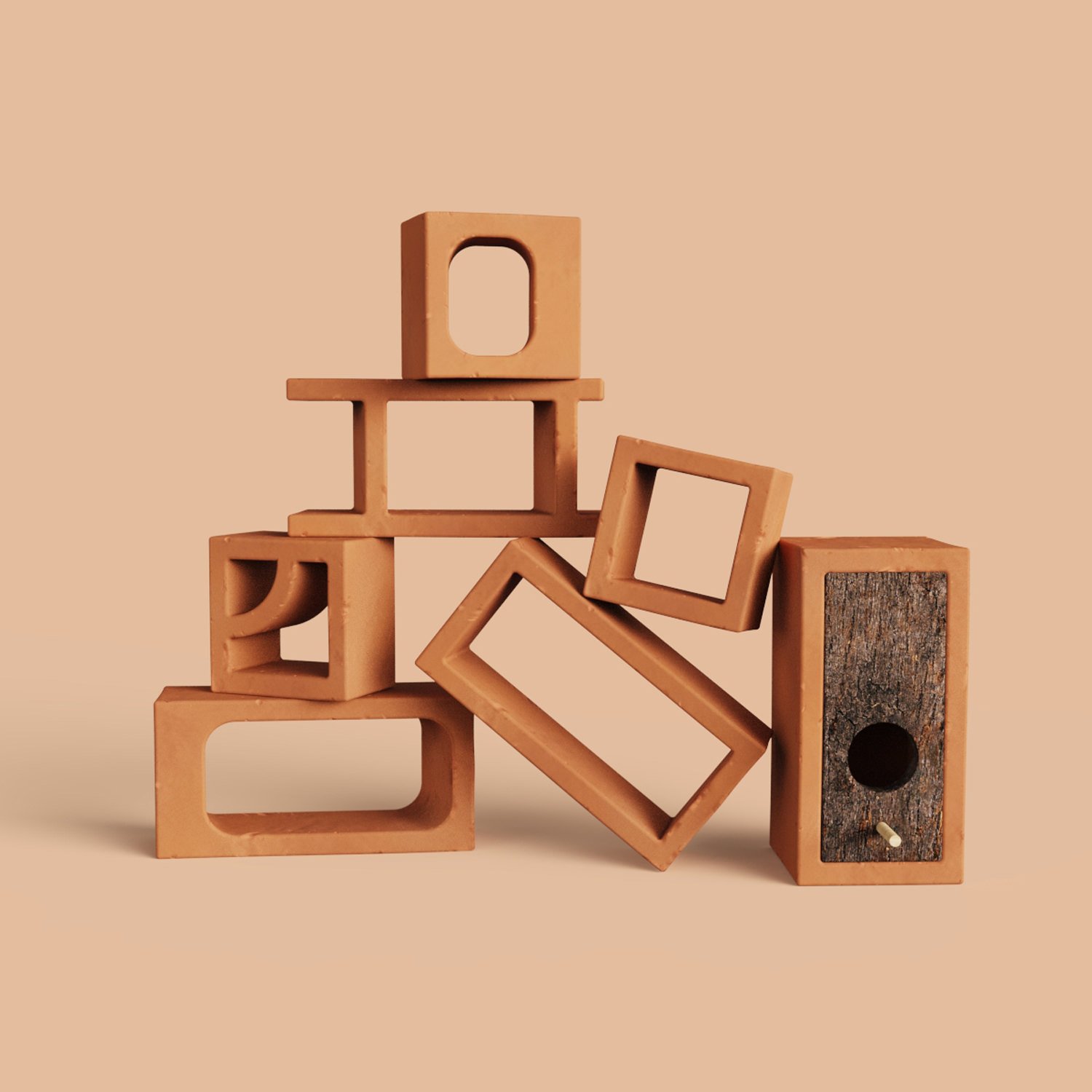
For more than five years, we have worked in this way with the design brand todobarro, contributing to the creative direction of different projects and helping define new collections for the brand.
The relationship between Art Direction and Creative Direction
Although they are different disciplines, art direction and creative direction are often closely connected.
Creative direction establishes the overall vision for a brand or collection: what kind of products to develop, what story to tell and which direction to follow over time.
Art direction is often the way these decisions take visual form through images, videos and communication materials.
When both processes are developed in coordination, they help build a clearer and more consistent brand identity.